The global trade of cashew nuts has expanded significantly in recent years, making it one of the most valuable agricultural commodities in international markets. With growing demand for healthy snacks and plant-based foods, cashew nuts exports are becoming increasingly profitable for producing countries. Understanding the latest global market trends and emerging opportunities can help exporters, traders, and agribusiness companies maximize their growth potential.

The global cashew nuts market continues to grow steadily. In 2025, the market was valued at over USD 10.3 billion and is projected to reach approximately USD 15.4 billion by 2034, with a compound annual growth rate (CAGR) of about 4.6%.
Cashew nuts are widely consumed as snacks and are also used in various food industries, including bakery, confectionery, dairy alternatives, and plant-based products. Their rich nutritional profile—containing healthy fats, protein, magnesium, and antioxidants—makes them highly attractive to health-conscious consumers worldwide.
This rising demand is a major driving force behind the expansion of cashew nuts exports across Asia, Africa, and Latin America.
Several countries dominate the global cashew export industry due to their strong production and processing capabilities. Among them, Vietnam and India are the leading exporters of processed cashew kernels, while many African countries supply raw cashew nuts.
Vietnam is currently the world’s largest exporter of processed cashew kernels, accounting for more than 60% of global cashew kernel processing capacity.
Key exporting and producing regions include:
West Africa has become an increasingly important supplier of raw cashew nuts, while Asia remains the global hub for processing and exporting finished kernels.
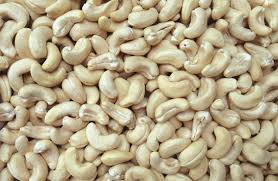
Demand for cashew nuts is particularly strong in developed economies where consumers prioritize healthy and premium snacks.
Major importing markets include:
The United States remains the largest consumer market, where cashews are widely used in snack foods, nut butter, and plant-based dairy alternatives. Meanwhile, China and European countries are experiencing rapid growth in demand for premium-grade cashew kernels.
These markets offer significant export opportunities for suppliers who can meet strict quality standards and food safety regulations.
Several important trends are shaping the global cashew nuts export market.
Consumers are increasingly shifting toward natural, nutrient-rich foods. Cashew nuts, known for their health benefits and plant-based protein content, are becoming a popular alternative to traditional processed snacks.
Importers are now seeking more than just raw cashew kernels. Processed products such as roasted, salted, flavored, and organic cashews are gaining popularity. Exporters that provide customized processing and private labeling services are gaining a competitive advantage.
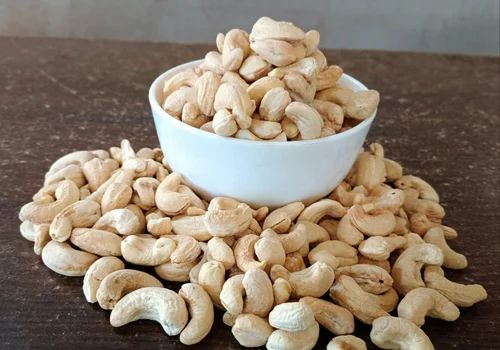
High-quality cashew grades such as W180, W240, and W320 are increasingly preferred by international buyers. These premium kernels are widely used in luxury retail products, confectionery, and gourmet snacks.
African countries are investing heavily in cashew processing facilities to increase value addition before export. This trend may gradually reshape the global supply chain and create new trade dynamics.
The global cashew market presents several promising opportunities for exporters:
1. Expanding health food markets – Rising awareness of nutrition is boosting global demand.
2. Growth in plant-based food industries – Cashews are widely used in vegan cheese, milk, and sauces.
3. E-commerce and private label brands – Online retail channels allow exporters to reach international consumers more easily.
4. Premium and organic product segments – High-quality and certified organic cashews command higher prices in developed markets.
By focusing on product quality, certification (such as HACCP, BRC, and organic standards), and innovative packaging, exporters can strengthen their competitiveness in global markets.

The cashew nuts export industry continues to experience strong growth driven by rising global demand for healthy and plant-based foods. With expanding markets in the United States, Europe, and Asia, exporters have numerous opportunities to increase their market share. Companies that invest in quality control, value-added processing, and sustainable sourcing will be best positioned to succeed in the rapidly evolving global cashew trade.
Cashew export market, Global cashew market, Cashew kernel export, Cashew nut suppliers, Cashew nut exporters, Raw cashew nuts export, Cashew nut trade, Cashew industry trends, Cashew market demand