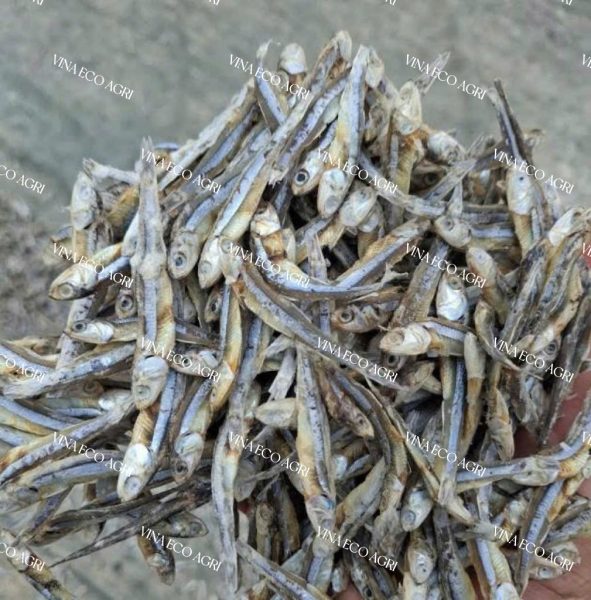
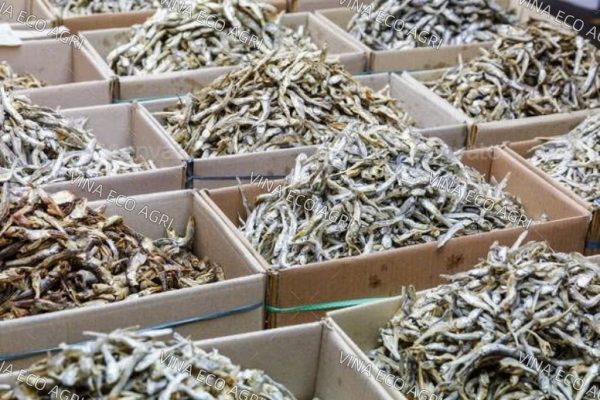
Dried anchovies are widely used in food manufacturing, seasoning production, seafood distribution, and traditional cuisines worldwide. With their distinctive flavor, rich umami taste, and convenient storage properties, dried anchovies have become an important ingredient for food businesses looking for reliable seafood supplies.
For importers, wholesalers, and food manufacturers, finding bulk dried anchovies for sale requires careful consideration of product quality, processing methods, packaging, and supplier reliability. Vietnam is a potential sourcing destination for dried seafood products, offering access to coastal resources and seafood processing capabilities.
In this article, we explore the key factors to consider when sourcing dried anchovies in bulk and how to select a suitable supplier for your business.

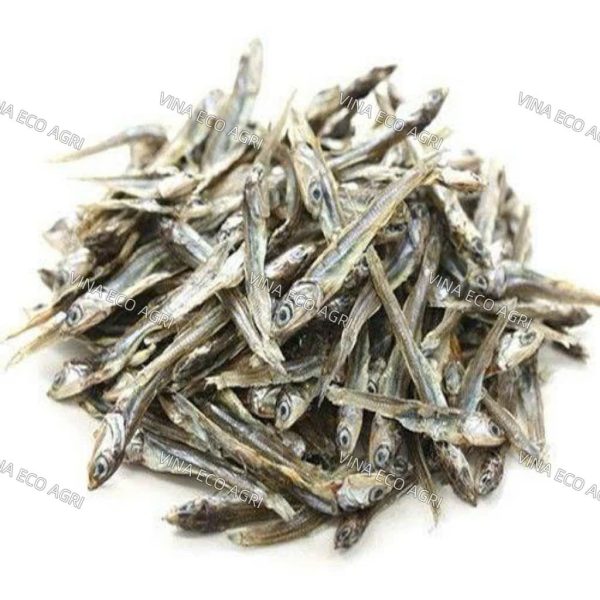
Dried anchovies are small marine fish that have been processed through drying to reduce moisture content and improve storage stability. Depending on the product specification, anchovies may be sun-dried or mechanically dried before being sorted, graded, and packaged.
They are valued for their concentrated seafood flavor and versatility in different food applications. Dried anchovies can be used whole, ground into powder, or processed into extracts for commercial food production.
For international buyers, dried anchovies are available in different sizes, colors, moisture levels, and processing specifications. These variations allow businesses to choose products that meet their manufacturing requirements and target markets.
Purchasing dried anchovies in bulk can provide several advantages for businesses that require a consistent supply of seafood ingredients.
Bulk purchasing can help importers, distributors, and food manufacturers optimize procurement costs. Ordering larger quantities may also simplify logistics and reduce the frequency of shipments, depending on order volume and shipping arrangements.
Food manufacturers often require stable supplies of raw materials to maintain production schedules. Working with a reliable dried anchovy supplier can help businesses plan inventory and manage recurring orders.
Dried anchovies are suitable for various food products, including seafood snacks, seasoning blends, soup bases, sauces, and traditional Asian dishes. Their versatility makes them useful for businesses serving different consumer markets.
Properly dried and packaged anchovies generally have a longer storage life than fresh fish. However, shelf life depends on moisture content, packaging integrity, storage temperature, and humidity. Buyers should always confirm the product’s specified shelf life and storage requirements.
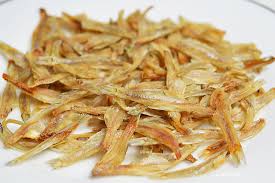
Product quality is one of the most important considerations when purchasing dried anchovies for commercial use. Before placing an order, buyers should evaluate the following factors.
High-quality dried anchovies should have a reasonably uniform appearance that matches the agreed product grade. Depending on the species and processing method, their color may range from silvery white to light golden or pale brown.
Buyers should check for excessive discoloration, visible mold, unusual spots, and signs of insect damage. Product appearance should be assessed against an agreed specification rather than color alone.
Moisture content affects product stability, texture, and storage performance. Excess moisture can increase the risk of mold growth and deterioration, especially when products are stored in warm or humid environments.
Importers should request the supplier’s moisture specification and, when necessary, a laboratory test report. The acceptable moisture level should be determined according to the product grade, intended application, and destination-market requirements.
Dried anchovies are commonly sorted into different size grades. Uniform sizing can be important for retail packaging, snack production, and food processing.
Before purchasing in bulk, buyers should clarify the required length range, size tolerance, sorting method, and acceptable percentage of broken fish or foreign matter.
Dried anchovies should have a characteristic seafood aroma without strong rancid, chemical, or other unusual odors. The product should also be appropriately cleaned and free from unacceptable levels of sand, foreign materials, or other physical contaminants.
Suppliers should follow appropriate hygiene practices during handling, drying, sorting, and packaging.
Commercial buyers should verify that the product complies with applicable food safety requirements in the destination market.
Depending on the product and shipment, useful documents may include:
Import requirements vary by country, so buyers should confirm the necessary documentation with their customs broker and relevant authorities before shipment.
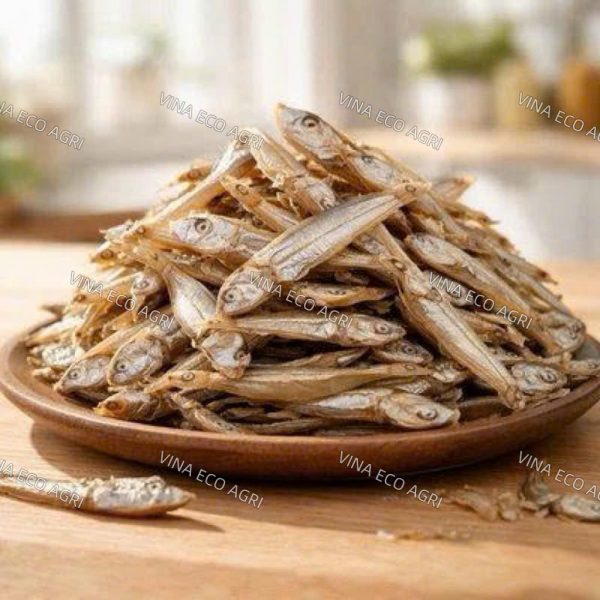
Vietnam is an established seafood-producing country with coastal fishing communities and seafood processing operations. International buyers can explore Vietnamese suppliers when looking for dried anchovies for wholesale distribution or industrial food applications.
The following steps can help simplify the sourcing process.
Before contacting suppliers, prepare a clear list of requirements, including:
Clear specifications help suppliers provide more accurate quotations and reduce misunderstandings during production and delivery.
Choose a supplier that can explain its sourcing practices, processing methods, quality control procedures, and export experience.
Ask about the availability of product samples, production capacity, order lead time, and the supplier’s ability to maintain consistent specifications across shipments.
For recurring orders, it is also useful to discuss how product quality will be checked and how any quality discrepancies will be handled.
A product sample allows buyers to evaluate appearance, size, aroma, texture, cleanliness, and suitability for their intended application.
Food manufacturers may also conduct internal tests to determine whether the anchovies meet their requirements for seasoning production, soup preparation, or further processing.
Where necessary, arrange independent laboratory testing before confirming a large order.
When requesting a quotation for bulk dried anchovies, provide the required quantity, packaging specifications, destination port, and preferred Incoterm.
Compare quotations based on the same product specifications and delivery terms. The lowest unit price does not always represent the best overall value if quality, packaging, or shipping conditions differ.
Buyers should also confirm payment terms, production lead time, shipment schedule, and procedures for handling claims.
Dried anchovies should be packed in suitable food-grade packaging to protect them from moisture, contamination, and physical damage during transportation.
Depending on the buyer’s requirements, packaging options may include sealed inner bags, bulk cartons, or other suitable export packaging.
Storage instructions should be clearly communicated, and products should be kept in a clean, dry environment according to the supplier’s specifications.
Bulk dried anchovies serve a wide range of food industry applications.
Seasoning and flavoring production: Dried anchovies can be processed into fish powder or used in seasoning formulations to provide a savory seafood flavor.
Soup and broth manufacturing: Their concentrated taste makes them suitable for soup bases, stock ingredients, and instant soup formulations.
Sauces and condiments: Dried anchovies may be used in seafood-based sauces, pastes, and other condiment products, depending on the recipe.
Snack production: Selected anchovy grades can be used to manufacture dried seafood snacks or seasoned fish products.
Foodservice and wholesale distribution: Restaurants, food distributors, and retailers can purchase dried anchovies in suitable quantities for traditional dishes and everyday cooking.
The appropriate grade depends on the intended application, so buyers should communicate their requirements before requesting a quotation.
To make the sourcing process more efficient, international buyers should ask suppliers several essential questions:
These questions help buyers compare suppliers more effectively and identify a sourcing partner that meets their operational needs.
VINA ECO AGRI supports B2B sourcing inquiries for Vietnamese agricultural and food-related products, connecting business buyers with potential supply opportunities.
For companies looking for dried anchovies in bulk, the next step is to define the required product grade, quantity, packaging, and destination market. These details help establish suitable specifications and facilitate a more accurate quotation.
Whether you are a seafood importer, food manufacturer, wholesaler, or distributor, careful supplier evaluation can help you build a more dependable sourcing process.
Contact VINA ECO AGRI to discuss your bulk dried anchovy requirements.
Email: Henry@veavn.com
Website: https://veavn.com/en/
Feel free to contact us for product inquiries and sourcing discussions.
The minimum order quantity depends on the supplier, product grade, packaging requirements, and shipping arrangements. Buyers should confirm the MOQ directly with the supplier.
Dried anchovies should be stored in sealed, moisture-resistant packaging in a clean, dry environment. Follow the supplier’s storage instructions and protect the product from excessive heat, humidity, and contamination.
Yes. Depending on their specifications, dried anchovies can be used in seasoning blends, soup bases, sauces, seafood snacks, and other processed food products.
Requirements vary by destination country and product classification. Buyers may need commercial shipping documents, origin documentation, health certificates, or other food safety records. Confirm the exact requirements before shipment.
Buyers should establish clear product specifications, review supplier documentation, request samples, and arrange laboratory testing when appropriate. Quality checks should cover appearance, size, moisture, cleanliness, aroma, and relevant food safety parameters.
Finding reliable bulk dried anchovies for sale involves more than comparing prices. Product specifications, moisture control, cleanliness, food safety documentation, packaging, and supplier reliability all contribute to a successful sourcing decision.
For international buyers seeking dried anchovies from Vietnam, a clear sourcing plan and thorough supplier evaluation can help reduce procurement risks and support long-term business relationships.
Contact VINA ECO AGRI to discuss your dried anchovy sourcing requirements and explore potential supply options for your business.