Cocoa beans are an essential raw material for the global chocolate and food processing industries. From premium chocolate products to cocoa powder, cocoa butter, and bakery ingredients, high-quality cocoa beans play a crucial role in product flavor, aroma, and consistency.
For chocolate manufacturers, food processors, wholesalers, and international importers, purchasing bulk cocoa beans for sale can help secure a stable supply of raw materials and support large-scale production.
However, choosing the right cocoa bean supplier requires careful consideration of bean quality, post-harvest processing, storage conditions, pricing, and export capabilities.
In this guide, we explore the characteristics of quality cocoa beans, their main applications, and important factors to consider when sourcing cocoa beans in bulk.

Cocoa beans are the fermented and dried seeds of the cacao tree (Theobroma cacao). They are the primary raw material used to produce chocolate and various cocoa-based ingredients.
After harvesting, cacao pods are opened to extract the beans, which are typically fermented and dried before being prepared for further processing or export.
Fermentation is particularly important because it helps develop the flavor and aroma precursors associated with chocolate. Proper drying helps reduce moisture and supports safer storage and transportation.
Depending on the variety, growing conditions, and processing methods, cocoa beans can differ in size, color, aroma, and flavor profile.
For businesses purchasing cocoa beans in bulk, understanding these differences can help ensure the raw material meets specific production requirements.
When searching for bulk cocoa beans for sale, buyers should evaluate several important quality factors.
Quality cocoa beans should have a reasonably consistent size and appearance, depending on the agreed grade and variety. Excessive foreign matter, visible mold, insect damage, and severely shriveled beans may indicate quality issues.
Buyers should request representative samples and confirm the supplier’s grading specifications before placing a large order.
Moisture content is an important factor affecting cocoa bean storage and shelf life. Excessive moisture can increase the risk of mold growth and deterioration during transportation.
The appropriate moisture specification should be agreed upon by the buyer and supplier and verified through suitable quality checks.
Properly fermented cocoa beans generally develop more desirable chocolate flavor characteristics than poorly fermented beans.
Fermentation quality can influence the final flavor, color, and processing performance of cocoa-derived products. Buyers may request cut tests or other quality assessments to evaluate fermentation levels.
Cocoa beans can have different flavor profiles, including fruity, nutty, earthy, and classic chocolate notes.
The preferred profile depends on the intended application. For example, specialty chocolate manufacturers may prioritize distinctive flavor characteristics, while industrial processors may focus on consistency and suitability for their production processes.
Cocoa beans intended for commercial food production should meet the buyer’s applicable food safety and quality requirements.
Depending on the destination market, importers may need documentation and testing related to contaminants, pesticide residues, heavy metals, or microbiological risks.
Clear specifications and appropriate quality control help reduce sourcing risks.
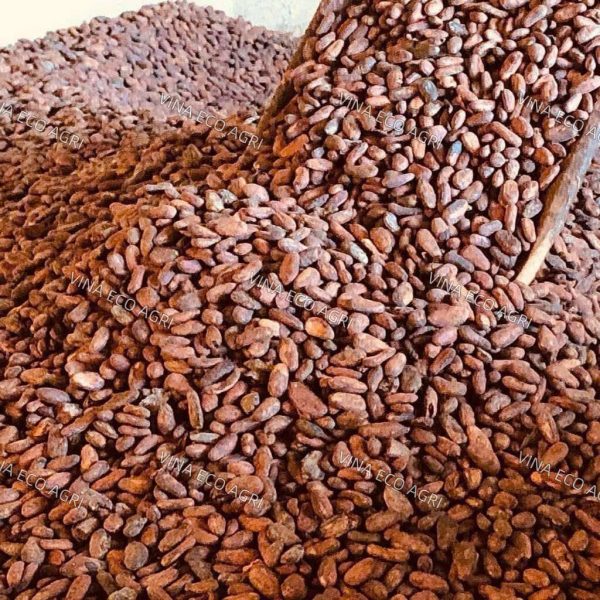
Cocoa beans are used across multiple industries, making them a valuable commodity for manufacturers and bulk buyers.
Chocolate production is one of the largest applications of cocoa beans. After processing, cocoa beans provide the essential ingredients used in dark chocolate, milk chocolate, chocolate coatings, and other confectionery products.
Manufacturers select cocoa beans based on flavor requirements, processing methods, and desired product characteristics.
Cocoa beans can be processed into cocoa liquor, which may be pressed to separate cocoa butter from cocoa solids. The remaining solids can then be processed into cocoa powder.
Cocoa powder is widely used in beverages, baking mixes, desserts, ice cream, and other food products.
Cocoa butter is an important ingredient in chocolate manufacturing, confectionery, and selected cosmetic formulations.
It contributes to chocolate’s texture, melting behavior, and mouthfeel. Its quality and functionality depend on the processing method and the characteristics of the original cocoa beans.
Cocoa-derived ingredients are commonly used in cakes, cookies, brownies, biscuits, fillings, coatings, and dessert products.
Food manufacturers require dependable raw material quality to maintain consistent flavor and product performance across production batches.
Cocoa ingredients are also used in drinking chocolate, cocoa beverages, dessert powders, and other formulated food products.
For manufacturers supplying retail brands or food service businesses, consistent sourcing can support production planning and product standardization.
Purchasing cocoa beans in bulk can offer several advantages for businesses with regular raw material requirements.
Actual cost savings depend on order volume, cocoa market conditions, shipping expenses, payment terms, and the supplier’s quotation.
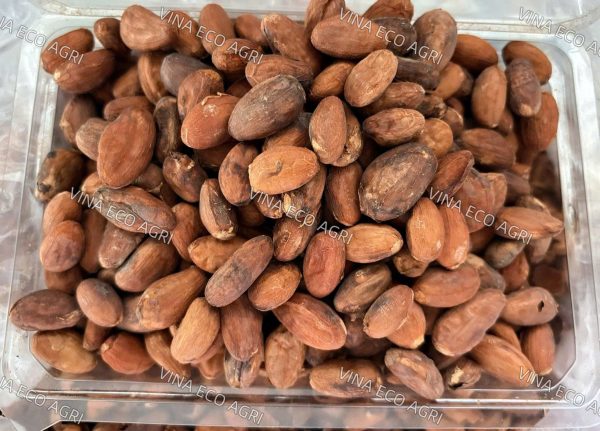
Finding a suitable supplier is essential for importers, wholesalers, and food manufacturers.
Before purchasing, request details about cocoa bean origin, grade, moisture content, fermentation, bean count, foreign matter limits, and available quality documentation.
Make sure the specifications match your production requirements and destination market regulations.
Evaluating samples before placing a large order allows buyers to assess appearance, aroma, fermentation, and processing suitability.
For ongoing contracts, consider agreeing on reference samples and inspection procedures to help maintain consistency.
International buyers should confirm whether the supplier can support export documentation, packaging requirements, shipping coordination, and destination-specific compliance.
Depending on the transaction, relevant documents may include a commercial invoice, packing list, certificate of origin, and phytosanitary documentation where applicable.
The lowest quoted price does not always represent the best purchasing option.
Buyers should consider product quality, packaging, inland transportation, freight, insurance, import duties, inspection costs, and payment terms when comparing offers.
Cocoa beans should be packed and stored under suitable conditions to protect them from moisture, contamination, pests, and strong odors.
Export packaging should be appropriate for the shipping method, transit duration, and destination requirements.
Vietnam is recognized for its agricultural production and international trade connections. For global buyers exploring Vietnamese agricultural commodities, working with an export-oriented supplier can help simplify communication, product coordination, and shipping arrangements.
When sourcing cocoa beans from Vietnam, buyers should verify the actual product origin, available quantities, quality specifications, and export readiness of each supplier.
It is also important to distinguish between cocoa beans grown in Vietnam and cocoa beans sourced from other origins and traded by a Vietnamese exporter.
Before confirming an order, importers should request current product specifications, samples where available, a detailed quotation, and confirmation of the applicable export documentation.
To receive an accurate quotation for bulk cocoa beans for sale, buyers should provide the following information:
Providing these details helps suppliers assess the order and prepare a more relevant offer.
You can source cocoa beans from cocoa producers, agricultural commodity traders, processors, and export companies. Before purchasing, verify product specifications, supply capacity, quality control procedures, and export documentation.
Bulk cocoa beans are primarily used to manufacture chocolate, cocoa powder, cocoa butter, confectionery, bakery ingredients, and cocoa-based beverages.
Cocoa beans should be stored in a clean, dry, well-ventilated environment, protected from moisture, pests, contamination, and strong odors. Appropriate packaging and warehouse conditions are important for preserving quality.
Check the product origin, quality specifications, moisture content, fermentation quality, packaging, required import documents, destination-country regulations, and total landed cost.
Yes. Buyers should provide their required quantity, specifications, destination, packaging preferences, and target shipment schedule to obtain a suitable quotation from a supplier.
Finding the right bulk cocoa beans for sale requires more than comparing prices. Product quality, fermentation, moisture content, food safety, packaging, and supplier reliability all influence the success of a sourcing decision.
For chocolate manufacturers, food processors, wholesalers, and international importers, clear specifications and careful supplier evaluation can help establish a dependable cocoa bean supply.
Looking for agricultural commodity sourcing solutions?
Contact VINA ECO AGRI to discuss your business requirements and explore suitable sourcing options for your market.
VINA ECO AGRI., LTD
Email: Henry@veavn.com
Website: https://veavn.com/en/
Feel free to contact us for business inquiries and further information.