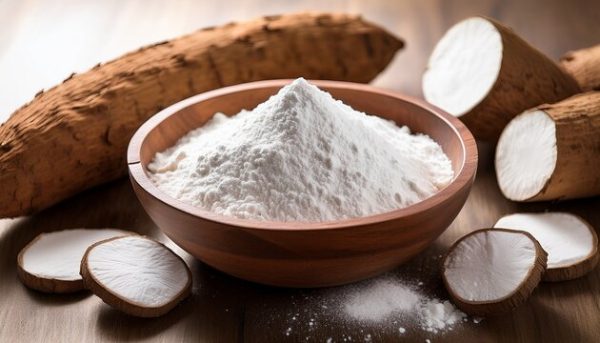
Vietnam has become one of the world’s leading suppliers of tapioca starch, also known as cassava starch, thanks to its strong and sustainable raw material base. The country’s advantages in tapioca starch raw materials come from abundant cassava cultivation, favorable natural conditions, and an increasingly efficient processing ecosystem. These strengths allow Vietnam to supply high-quality tapioca starch to global markets with consistency and competitive pricing.

One of the most significant advantages of Vietnam’s tapioca starch industry is the availability of abundant cassava raw materials. Cassava is widely grown across the Central Highlands, South Central Coast, and Northern mountainous regions. Major cassava-producing provinces such as Tay Ninh, Gia Lai, Kon Tum, Phu Yen, and Dak Lak contribute millions of tons of fresh cassava roots annually.
This large-scale cassava production ensures a stable and continuous supply of raw materials for tapioca starch factories. As a result, Vietnamese processors can operate year-round, reducing dependence on seasonal imports and minimizing supply chain disruptions. For international buyers, this stability is a critical factor when sourcing tapioca starch in bulk.
Vietnam’s tropical climate provides ideal conditions for cassava growth. Warm temperatures, sufficient rainfall, and well-drained soils allow cassava roots to develop with high starch content. In particular, the red basalt soil found in the Central Highlands is well known for producing cassava with excellent starch recovery rates.
High starch yield directly impacts the quality and efficiency of tapioca starch production. Cassava roots with higher starch content produce whiter, finer, and more consistent tapioca starch, which is essential for both food-grade and industrial applications. This natural advantage helps Vietnam maintain a strong competitive position in the global starch market.
Vietnam has made significant progress in improving cassava farming practices over the past decade. Farmers increasingly use high-yield, disease-resistant cassava varieties that are specifically developed for starch processing. These varieties provide uniform root size and stable starch characteristics, which are essential for large-scale production.
In addition, many processing companies work closely with farmers through contract farming models. By supplying seedlings, fertilizers, and technical support, starch factories help ensure consistent raw material quality from farm to factory. This close cooperation strengthens traceability and quality control throughout the supply chain.
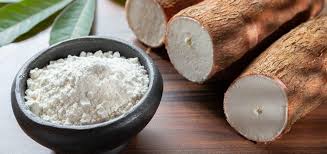
Another key advantage of Vietnam’s tapioca starch raw material supply is the close proximity between cassava farms and processing factories. Most starch plants are strategically located near major cassava-growing areas, reducing transportation time and preserving the freshness of cassava roots.
Fresh cassava roots are crucial for producing high-quality tapioca starch, as starch content can decline rapidly after harvest. Vietnam’s efficient farm-to-factory logistics help maintain optimal starch quality while lowering transportation costs. This integrated infrastructure supports both production efficiency and product consistency.
Vietnam benefits from a competitive cost structure in tapioca starch production. Lower raw material costs, affordable labor, and efficient logistics enable Vietnamese suppliers to offer attractive pricing without compromising quality.
Compared to other starch-producing countries, Vietnam’s cost advantage allows exporters to meet the price expectations of global buyers while maintaining sustainable profit margins. This is particularly important for markets such as China, South Korea, Japan, and Southeast Asia, where price competitiveness plays a major role in purchasing decisions.
Vietnam’s tapioca starch industry is highly export-oriented, with well-established trade links to major international markets. The country’s strategic location in Southeast Asia provides easy access to key importing regions, supported by modern seaports and cross-border trade routes.
In addition, Vietnamese tapioca starch suppliers are increasingly complying with international standards such as HACCP, ISO, Halal, and Food Safety certifications. These certifications enhance buyer confidence and expand market access, especially in Europe and the Middle East.
The Vietnamese government recognizes cassava and tapioca starch as important agricultural export products. Policies promoting sustainable cassava cultivation, investment in processing technology, and value-added production have strengthened the industry’s long-term outlook.
Environmental awareness and sustainable farming practices are also gaining importance, helping Vietnam’s tapioca starch industry adapt to global trends and regulatory requirements. This commitment to sustainability further enhances the attractiveness of Vietnam as a long-term sourcing destination.
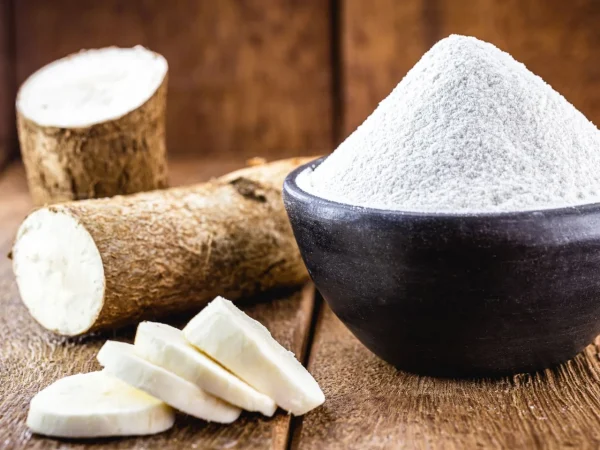
Vietnam’s advantages in tapioca starch raw material supply are built on abundant cassava resources, favorable natural conditions, consistent quality, efficient processing infrastructure, competitive costs, and strong export capabilities. These factors combine to create a reliable, high-quality, and cost-effective sourcing environment for global buyers.
As global demand for tapioca starch continues to grow across food, beverage, and industrial sectors, Vietnam’s strong raw material foundation will remain a key driver of its leadership in the international tapioca starch market.