In today’s global spice market, finding reliable pepper suppliers is critical for importers, food manufacturers, wholesalers, and private-label brands. Black pepper and white pepper are among the most traded spices worldwide, and quality, consistency, and compliance directly impact your brand and supply chain.
This guide will help you understand the pepper market, identify trustworthy pepper suppliers, and choose the right partner for long-term international business.

Pepper is one of the oldest and most valuable spices in global trade. Major pepper-producing countries include:
Vietnam – World’s largest pepper exporter
Brazil
Indonesia
India
Sri Lanka
Among these, Vietnamese pepper suppliers dominate the global market thanks to competitive pricing, stable supply, and consistent quality.
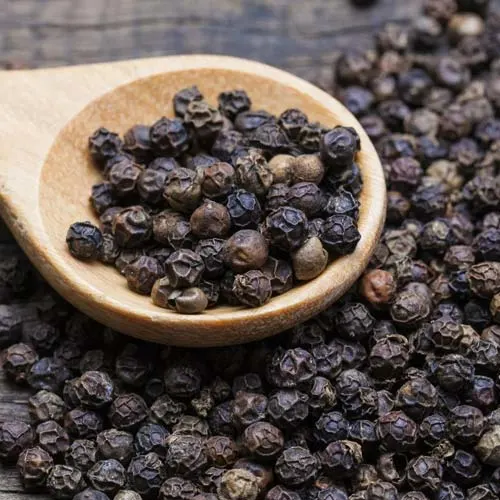
Most widely used spice globally
Available in whole, cracked, or ground form
Common grades: FAQ, ASTA, 500g/l, 550g/l, 580g/l
Made from ripe pepper berries with outer skin removed
Milder aroma, lighter color
Popular in European and Asian cuisine
Green pepper (fresh or brined)
Organic pepper
Steam-sterilized pepper
Pepper powder (custom mesh sizes)
Professional pepper suppliers offer multiple grades and processing options to meet diverse market requirements.

Working with a reliable pepper supplier ensures:
Consistent quality & food safety
Stable pricing & long-term supply
Compliance with international standards
On-time delivery & proper documentation
Unreliable suppliers can cause shipment delays, quality disputes, and regulatory risks—especially for export markets like the EU, USA, and Middle East.
A reputable pepper supplier should provide:
Clear specifications (moisture, density, purity)
Lab testing reports
Samples before bulk orders
Top pepper suppliers often hold:
HACCP
ISO 22000 / FSSC 22000
FDA registration
EU food safety compliance
Organic certification (if applicable)
Modern pepper suppliers invest in:
Steam sterilization
Metal detection
Color sorting
Hygienic packaging systems
This is especially important for markets with strict microbiological limits.
Reliable pepper suppliers offer flexible packaging such as:
25kg / 50kg PP or kraft bags
Jumbo bags
Retail packaging & private labeling
Experienced pepper suppliers can handle:
Export documentation (CO, Phytosanitary, Health Certificate)
Custom labeling
FOB, CIF, CFR shipping terms
Container loading & inspection
Vietnam accounts for over 35–40% of global pepper exports, making it the top choice for international buyers.
Advantages of Vietnamese pepper suppliers:
Competitive pricing
Large production capacity
Year-round supply
Advanced processing facilities
Strong export expertise
Whether you need bulk black pepper or high-grade white pepper, Vietnam remains the most reliable sourcing origin.
Most pepper suppliers require:
1 x 20FT container for export orders
Some accept smaller trial orders depending on grade
Yes. Professional suppliers can customize:
Density (g/l)
Moisture level
Mesh size for powder
Packaging design
Typical lead time:
7–14 days for production
20–35 days shipping depending on destination
To identify reliable pepper suppliers:
Check export history and references
Request samples and lab reports
Verify certifications
Start with a trial shipment
Work with suppliers offering clear contracts and payment terms
Long-term partnerships with reputable pepper suppliers help stabilize pricing and ensure consistent quality.
Choosing the right pepper suppliers is a strategic decision that affects your product quality, brand reputation, and profitability. By focusing on quality standards, certifications, processing capability, and export experience, you can secure a reliable supply of black and white pepper for global markets.
If you are looking for competitive, export-ready pepper suppliers, sourcing from leading pepper-producing countries—especially Vietnam—offers the best balance of quality, price, and reliability.
pepper suppliers I black pepper suppliers I white pepper suppliers I Vietnamese pepper suppliers I pepper exporter I Bulk pepper supplier