Vietnam Leads the Global Cashew Export Market
Vietnam has firmly positioned itself as the world’s leading cashew nut exporter, playing a central role in the global cashew supply chain. For many consecutive years, Vietnam has dominated global cashew exports thanks to its strong processing capacity, advanced technology, competitive pricing, and extensive international trade connections. Today, Vietnamese cashew nuts are present in more than 90 countries worldwide.
Vietnam is not only the largest exporter of cashew nuts but also the world’s top cashew processing hub. While many countries focus mainly on growing raw cashew nuts, Vietnam specializes in processing raw materials into high-quality cashew kernels that meet international standards.
According to industry data, Vietnam accounts for a significant share of global cashew kernel exports, supplying major markets such as the United States, the European Union, China, Australia, and the Middle East. This leadership has made Vietnam a key price setter and trend influencer in the global cashew market.
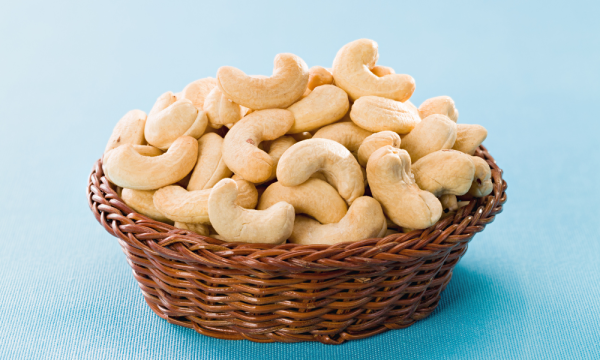
One of the most important factors behind Vietnam’s success is its modern cashew processing technology. Vietnamese cashew processors have invested heavily in automation, machinery upgrades, and food safety systems.
With a highly skilled workforce and years of experience, Vietnam is able to:
Process large volumes efficiently
Maintain consistent kernel quality
Reduce breakage rates and production costs
Meet strict hygiene and food safety requirements
As a result, Vietnamese cashew nuts are widely trusted by international buyers for both retail and industrial use.
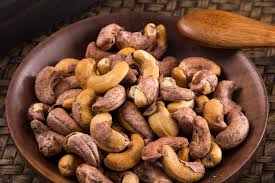
Vietnamese cashew nuts are exported to a wide range of global m
arkets. The United States remains the largest single importer, driven by strong consumer demand for healthy snacks and plant-based foods.
The European Union is another key destination, especially
countries such as Germany, the Netherlands, France, and the United Kingdom. Meanwhile, China has emerged as a fast-growing market due to rising middle-class consumption. Vietnam also exports significant volumes to the Middle East, Japan, and Australia.
This diversified export structure helps Vietnam reduce dependence on any single market and maintain stable growth.
Despite leading the global cashew export market, Vietnam relies heavily on imported raw cashew nuts, mainly from African countries such as Ivory Coast, Nigeria, Ghana, and Tanzania. This dependence exposes the industry to risks related to price volatility, climate change, and logistics disruptions.
However, Vietnamese enterprises have adapted by establishing long-term partnerships with African suppliers, investing in overseas processing facilities, and improving supply chain management to ensure stable raw material access.
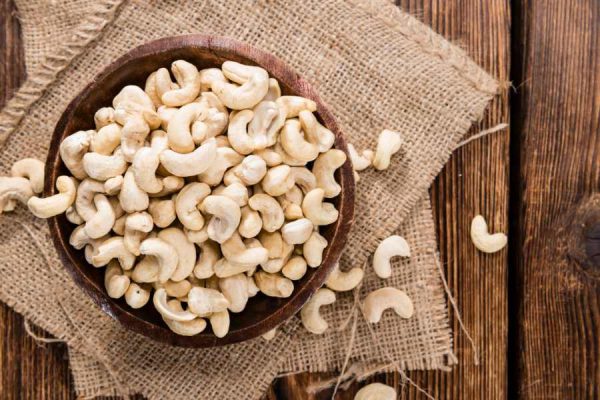
To maintain its global leadership, Vietnam’s cashew industry is increasingly focused on quality assurance and sustainability. Many Vietnamese exporters hold internationally recognized certifications such as HACCP, ISO, BRC, and organic standards.
Traceability systems, responsible sourcing, and environmentally friendly processing practices are becoming standard requirements, especially for exports to the EU and North America. These efforts help Vietnamese cashew nuts meet the expectations of premium markets and environmentally conscious consumers.
While Vietnam continues to lead the global cashew export market, challenges remain. Rising labor costs, stricter environmental regulations, and increasing competition from African processing countries may affect future growth.
However, Vietnam is actively moving up the value chain by developing value-added cashew products such as roasted cashews, flavored cashews, cashew butter, cashew milk, and plant-based ingredients. These products offer higher profit margins and help strengthen Vietnam’s position in global markets.

Vietnam’s leadership in the global cashew export market is built on strong processing capabilities, technological innovation, skilled labor, and global trade integration. Although challenges exist, Vietnam remains a reliable and dominant supplier of high-quality cashew nuts worldwide. With continued investment in sustainability and value-added products, Vietnam is well-positioned to maintain its leading role in the global cashew industry in the years ahead.