If you keep birds like budgies, cockatiels, parrots, or canaries, you’ve probably seen cuttlebone hanging inside cages at pet stores. Simple as it looks, cuttlebone is a natural mineral supplement that plays a big role in your bird’s health. In this guide, we’ll break down what cuttlebone is, why birds need it, and how to use it correctly.
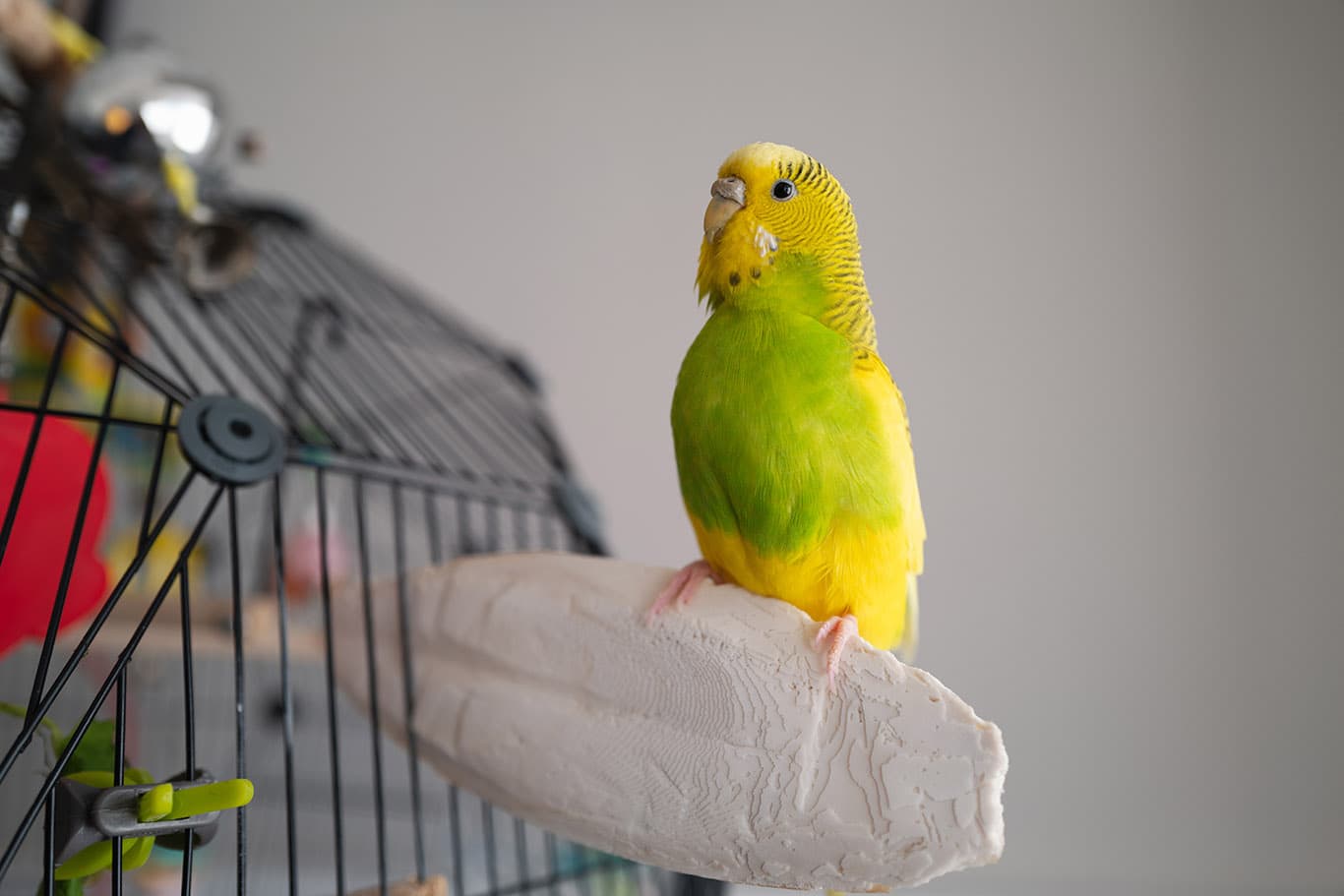
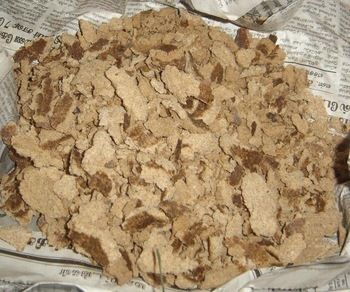
Cuttlebone is the internal shell of a cuttlefish, a marine animal related to squid and octopus. After being cleaned and dried, the bone becomes lightweight, chalky, and rich in minerals—especially calcium.
In the wild, birds naturally consume mineral sources from soil, shells, and rocks. In captivity, cuttlebone helps replace those missing nutrients in a safe, natural way.
Birds can’t produce calcium on their own, yet calcium is essential for many bodily functions. Without enough calcium, birds may develop serious health problems.
Calcium carbonate – supports bones, beak, and eggshell formation
Trace minerals – help overall metabolic and nerve function
Calcium keeps bones strong and helps prevent brittle or overgrown beaks.
Female birds need extra calcium to produce strong eggshells and avoid egg binding.
Chewing on cuttlebone helps birds naturally wear down their beaks, reducing the need for manual trimming.
Low calcium can lead to weakness, tremors, soft bones, or poor feather condition. Cuttlebone helps prevent these issues.
Chewing is a natural behavior. Cuttlebone provides mental stimulation and enrichment inside the cage.

Cuttlebone is suitable for most pet birds, including:
Budgerigars (budgies)
Cockatiels
Lovebirds
Parakeets
Canaries & finches
African greys, macaws, and other parrots
Look for 100% natural cuttlebone with no artificial colors, flavors, or additives.
Most cuttlebones come with a clip or holder. Attach it firmly to the side of the cage at a comfortable height.
Birds instinctively chew cuttlebone when they need minerals. Do not force consumption.
Replace the cuttlebone once it becomes too small, dirty, or worn down.
Cuttlebone can be left in the cage at all times. Birds will consume only what they need. For breeding or egg-laying birds, ensure fresh cuttlebone is always available.

| Feature | Cuttlebone | Mineral Block |
|---|---|---|
| Natural source | ✅ Yes | ❌ Often processed |
| Pure calcium | ✅ High | ⚠️ Mixed minerals |
| Easy to chew | ✅ Yes | ⚠️ Harder |
| Best for daily use | ✅ Yes | ⚠️ Occasional |
Best practice: Use cuttlebone as the main calcium source and mineral blocks as a supplement.
❌ Using salty or flavored cuttlebone
❌ Removing cuttlebone too early
❌ Relying only on seeds without mineral supplements
❌ Ignoring calcium needs during breeding season
Cuttlebone may look simple, but it’s one of the most important supplements you can give your bird. From stronger bones and beaks to healthier eggs and happier behavior, cuttlebone supports your bird’s well-being in a natural, affordable way.