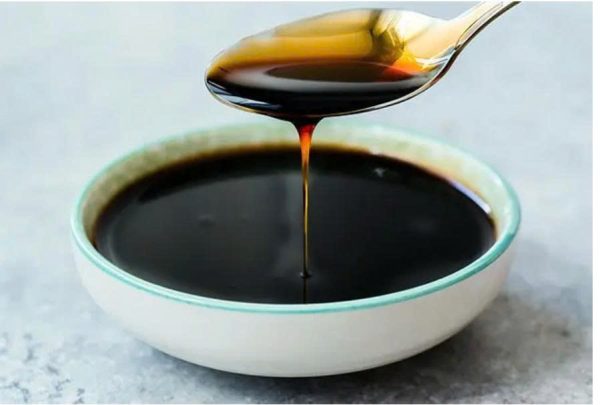
Sugarcane Molasses Suppliers_In the global agricultural commodity market, sugarcane molasses has become an essential raw material for industries such as animal feed, fermentation, ethanol production, food processing, and organic agriculture. As demand continues to grow, many international buyers are turning their attention to Vietnamese sugarcane molasses suppliers for reliable, cost-effective, and high-quality sourcing.
But what makes Vietnam a strategic choice compared to other producing countries? This article explores the key advantages of sourcing molasses from Vietnam and why it can strengthen your supply chain and business performance.
One of the strongest reasons global buyers choose Vietnam is cost efficiency.
Vietnam benefits from:
This allows Vietnamese suppliers to offer highly competitive pricing without compromising on consistency. For importers, this translates into:
Vietnamese sugarcane is known for its:
Modern Vietnamese molasses producers use controlled extraction and filtration processes to ensure:
This makes Vietnamese molasses especially suitable for:
Many Vietnamese sugarcane molasses suppliers already serve markets in:
To meet global demand, suppliers have upgraded their systems to comply with:
This export experience ensures smoother documentation, faster customs clearance, and reduced trade risk for international buyers.
Vietnam’s location in Southeast Asia offers a major advantage for global shipping routes.
Key benefits include:
Logistics hubs around Ho Chi Minh City play a crucial role in consolidating and exporting agricultural commodities efficiently.
Vietnamese suppliers are capable of serving diverse industries with different specifications such as:
This flexibility allows businesses to:
Sustainability is becoming a key purchasing criterion in global trade. Many Vietnamese producers are shifting toward:
This aligns with global ESG (Environmental, Social, Governance) standards, helping international buyers improve their sustainability reporting.
Vietnamese suppliers are known for building long-term relationships based on:
For importers, this reduces risks related to: