Coffee is one of the most popular beverages in the world, enjoyed by millions every day. But before it becomes a comforting cup of coffee, it starts as a humble seed known as a coffee bean. In this guide, we’ll explore what coffee beans are, the main types, their origins, and the various uses of coffee beans across industries.
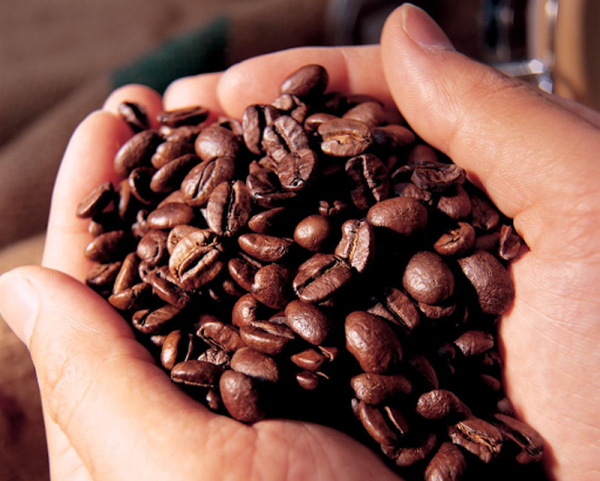
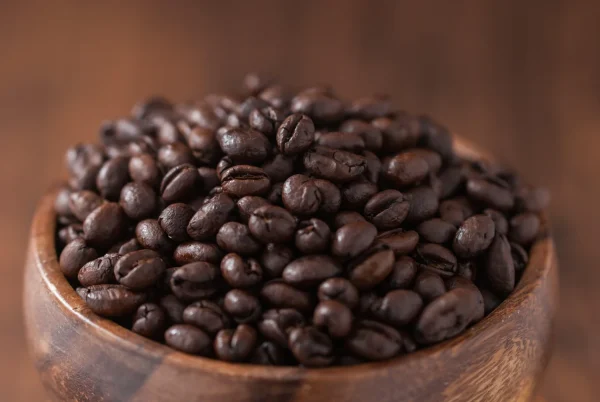
Coffee beans are the seeds of the coffee cherry, a fruit grown on coffee plants belonging to the Coffea genus. Each cherry typically contains two beans, which are extracted, fermented, dried, roasted, and ground to produce coffee.
Although we call them “beans,” coffee beans are technically seeds, not legumes. Their flavor, aroma, and quality depend on factors such as climate, soil, altitude, processing methods, and roasting techniques.
There are four primary types of coffee beans grown worldwide, each offering distinct flavor profiles and characteristics.
Accounts for about 60–70% of global coffee production
Smooth, mild flavor with fruity or floral notes
Lower caffeine content
Grown at high altitudes with cooler temperatures
Best for: Specialty coffee, espresso, premium blends
Higher caffeine content than Arabica
Strong, bold, slightly bitter taste
More resistant to pests and diseases
Grown at lower altitudes
Best for: Instant coffee, espresso crema, strong blends
Rare and unique aroma
Smoky, woody, and floral flavor
Larger beans with irregular shapes
Best for: Niche markets and specialty roasters
Considered a variety of Liberica
Tart, fruity, and complex flavor
Often used in blends to enhance depth
Best for: Specialty blends and experimental brews

Coffee beans are grown in the Coffee Belt, an area between the Tropics of Cancer and Capricorn.
Brazil – Largest coffee producer; nutty and chocolatey flavors
Vietnam – Leading Robusta producer; strong and bold profile
Ethiopia – Birthplace of coffee; fruity and floral notes
Colombia – Balanced flavor with bright acidity
Indonesia – Earthy, spicy, full-bodied coffee
Each origin contributes unique characteristics influenced by terroir, processing, and farming traditions.
Coffee beans are incredibly versatile and used beyond just brewing coffee.
Espresso
Filter coffee
Cold brew
Instant coffee
Coffee-flavored desserts
Chocolate coatings
Baking ingredients
Coffee scrubs
Anti-cellulite products
Natural exfoliants
Antioxidant supplements
Energy products
Coffee extracts
Coffee processing affects flavor and quality significantly:
Washed (Wet Process) – Clean, bright taste
Natural (Dry Process) – Fruity and sweet notes
Honey Process – Balanced sweetness and acidity
Understanding what coffee beans are, their types, origins, and uses helps consumers choose better coffee and appreciate its journey from farm to cup. Whether you prefer Arabica’s smoothness or Robusta’s bold strength, coffee beans offer a rich world of flavor and culture worth exploring.
What are coffee beans, Types of coffee beans, Coffee bean origins, Uses of coffee beans, Arabica vs Robusta