Vietnam has emerged as one of the world’s leading suppliers of cassia cinnamon, playing a vital role in the global spice trade. Known for its strong aroma, high essential oil content, and competitive pricing, Vietnamese cassia has gained significant traction in international markets. As global demand for natural spices and herbal products continues to rise, understanding the quality standards and export dynamics of Vietnam’s cassia industry becomes essential for buyers, importers, and distributors.
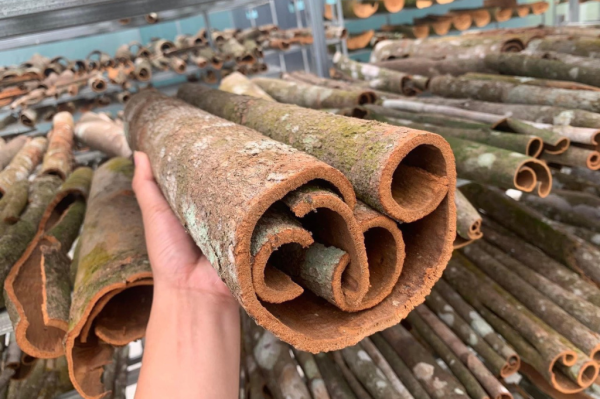
Vietnam ranks among the top producers and exporters of cassia cinnamon, alongside countries like Indonesia and China. The primary cassia-growing regions include Yen Bai, Lao Cai, Quang Ninh, and Thanh Hoa provinces, where favorable climatic conditions support the cultivation of high-quality cinnamon bark.
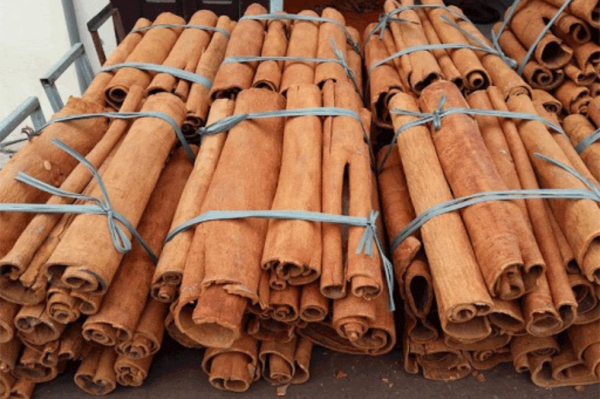
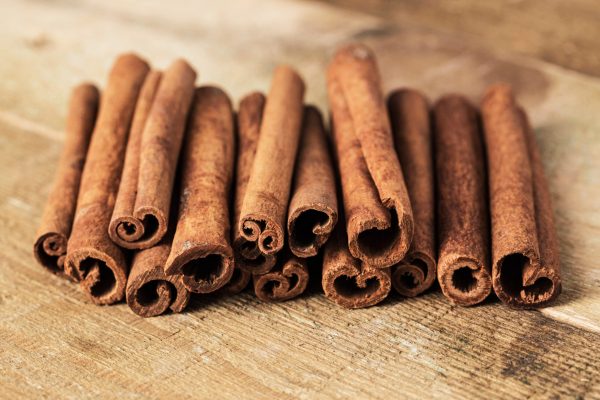
Vietnamese cassia is widely exported to major markets such as the United States, India, Bangladesh, the Middle East, and Europe. The country offers a diverse range of cassia products including whole bark (stick), split cassia, broken pieces, powder, and tube cassia. Among these, tube cassia and cigarette cassia are particularly valued for their uniform appearance and strong flavor.
Quality is a critical factor that determines the competitiveness of cassia in global markets. Vietnamese cassia is known for its high oil content, typically ranging from 2% to 5%, which contributes to its strong fragrance and flavor profile. The cinnamaldehyde content—a key compound responsible for aroma—is also relatively high, making it desirable for food, pharmaceutical, and cosmetic industries.
To meet international export requirements, Vietnamese cassia must comply with several quality standards:
Many exporters in Vietnam have adopted modern processing technologies and strict quality control systems to ensure consistency and traceability. Certifications such as Organic, EU Organic, USDA Organic, and Fair Trade are increasingly being pursued to access premium markets.
The global demand for cassia cinnamon is driven by its wide range of applications across multiple industries. In the food sector, cassia is used as a spice in cooking, baking, beverages, and confectionery. Its strong flavor makes it particularly popular in Asian and Middle Eastern cuisines.
In addition to culinary uses, cassia is also valued for its medicinal properties. It is commonly used in traditional medicine for its anti-inflammatory, antibacterial, and antioxidant benefits. The growing consumer preference for natural and plant-based products has further boosted the demand for cassia in herbal supplements and functional foods.
The cosmetic and personal care industries also utilize cassia oil in products such as perfumes, soaps, and skincare items. As consumers shift toward organic and natural ingredients, the demand for high-quality cassia continues to expand globally.
Vietnam’s cassia export market presents significant opportunities for growth. Increasing global awareness of natural spices, expanding e-commerce channels, and rising demand for organic products are key drivers. Moreover, free trade agreements such as EVFTA and CPTPP have created favorable conditions for Vietnamese exporters to access international markets with reduced tariffs.
However, the industry also faces challenges. Price fluctuations, climate change, and strict import regulations in developed markets can impact export performance. Additionally, competition from other producing countries requires Vietnamese exporters to continuously improve quality, branding, and supply chain efficiency.
Vietnam’s cassia export market is well-positioned to meet the growing global demand for high-quality cinnamon products. With its strong production capacity, competitive pricing, and improving quality standards, Vietnam continues to strengthen its reputation as a reliable cassia supplier. For international buyers, sourcing cassia from Vietnam offers a strategic advantage in terms of quality, variety, and value.