Coffee beans are more than just the foundation of one of the world’s most popular beverages. They are a powerful agricultural commodity with proven health benefits and a vital role in global trade. From smallholder farms in tropical regions to international export markets, coffee beans connect health, culture, and commerce on a global scale.
This complete guide explores coffee beans for health and global trade, covering nutritional benefits, scientific insights, major producing countries, trade trends, and how businesses can source high-quality coffee beans for international markets.
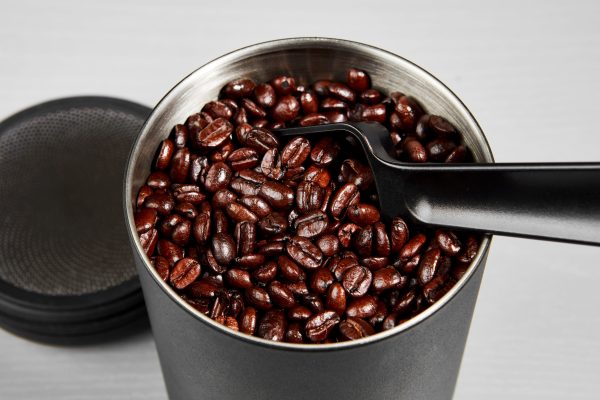
Coffee beans are the seeds of the Coffea plant, primarily from two species:
Arabica (Coffea arabica) – Known for smooth flavor, higher acidity, and aromatic profile
Robusta (Coffea canephora) – Stronger taste, higher caffeine content, and better yield
After harvesting, coffee cherries are processed, dried, and roasted to produce the coffee beans used worldwide.
Coffee beans are one of the largest sources of antioxidants in modern diets. They contain:
Chlorogenic acid
Polyphenols
Melanoidins (formed during roasting)
These compounds help neutralize free radicals, supporting overall cellular health.
Caffeine in coffee beans:
Enhances focus and concentration
Improves reaction time and memory
May reduce the risk of neurodegenerative diseases when consumed moderately
Studies suggest regular coffee consumption is associated with a lower risk of Alzheimer’s and Parkinson’s disease.
Coffee beans help:
Increase fat oxidation
Improve energy levels
Enhance athletic performance
Caffeine stimulates the nervous system, signaling fat cells to break down body fat for energy.
Moderate coffee intake has been linked to:
Reduced risk of type 2 diabetes
Improved liver function
Lower risk of liver cirrhosis and fatty liver disease
When consumed without excessive sugar or cream, coffee can be part of a healthy lifestyle.
Research indicates that regular coffee drinkers may have a lower risk of:
Type 2 diabetes
Stroke
Certain cancers (such as liver and colorectal cancer)
Coffee is the second most traded commodity in the world after crude oil. Global consumption continues to rise due to:
Expanding café culture
Growth of ready-to-drink coffee
Increasing demand in Asia and the Middle East
Key exporters of coffee beans include:
Brazil – World’s largest producer and exporter
Vietnam – Leading Robusta coffee supplier
Colombia – High-quality Arabica beans
Ethiopia – Origin of coffee, specialty beans
Indonesia – Unique flavor profiles (Sumatra, Java)
Vietnam, in particular, plays a crucial role in supplying high-quality Robusta coffee beans for global markets.

Green coffee beans (unroasted)
Organic coffee beans
Fair-trade certified coffee
Specialty and single-origin coffee beans
Green coffee beans dominate export markets due to flexibility in roasting and branding by importers.
To succeed in global trade, coffee beans must meet international standards such as:
Moisture content (typically ≤12.5%)
Uniform bean size and color
Low defect ratio
Compliance with food safety regulations (EU, FDA, ISO)
Certifications like Organic, Rainforest Alliance, Fair Trade, and UTZ add significant value.
Sustainability is a major trend in the global coffee industry. Buyers increasingly demand:
Environmentally friendly farming practices
Fair wages for farmers
Traceable supply chains
Sustainable coffee beans help protect ecosystems while ensuring long-term supply stability.
Choose freshly roasted or high-quality green beans
Avoid overly dark roasts if sensitive to bitterness
Opt for organic or chemical-free beans
Source directly from reliable exporters
Request quality samples and lab analysis
Verify certifications and origin documentation
Rising demand for specialty and premium coffee
Growth of organic and sustainable coffee markets
Increased digital trading platforms
Stronger demand from Asia-Pacific regions
Coffee beans will continue to be a high-value commodity linking agriculture, health, and international trade.
Coffee beans play a dual role in modern society: they support human health and drive global economic trade. With scientifically proven benefits and ever-growing international demand, coffee beans remain a strategic product for consumers, businesses, and exporters worldwide.
Whether you are a health-conscious consumer, a coffee brand owner, or an international buyer, understanding coffee beans for health and global trade is key to making informed and profitable decisions.