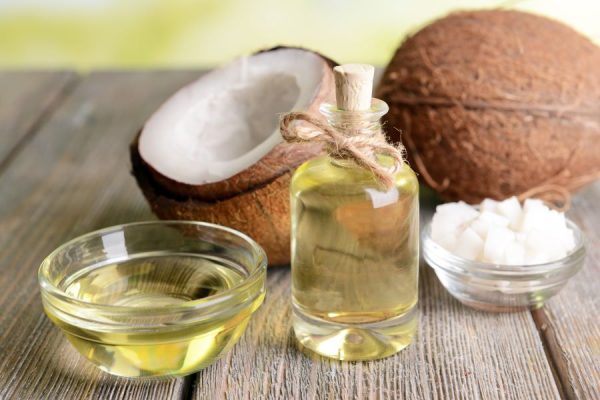
Cassia is a versatile botanical ingredient widely used in the food, beverage, and herbal medicine industries. Known for its aromatic properties, health benefits, and functional applications, cassia has become an essential raw material in global trade. From natural flavoring to traditional remedies, cassia plays a vital role in both modern manufacturing and ancient wellness systems.
This article explores what cassia is, its key benefits, major uses, and industrial applications, helping businesses and buyers understand its full commercial value.
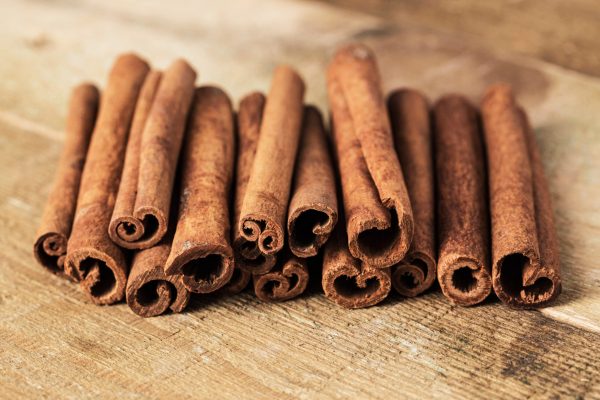
Cassia refers to several species of the Cinnamomum genus, commonly known as cassia cinnamon. It is closely related to Ceylon cinnamon but has a stronger aroma, darker color, and more intense flavor. Cassia is widely cultivated in Asia, especially in Vietnam, China, and Indonesia, making it a major export commodity.
Cassia is available in various forms, including:
Cassia bark
Cassia powder
Cassia essential oil
Cassia extract
Each form serves different purposes across industries.
Cassia is highly valued in traditional medicine and functional food formulations due to its natural bioactive compounds.
Cassia helps stimulate digestion, reduce bloating, and support gut comfort. It is commonly used in herbal teas and digestive supplements.
Rich in polyphenols, cassia helps combat oxidative stress, supporting overall health and immune function.
Cassia has been traditionally used to help regulate blood sugar levels, making it popular in herbal formulations targeting metabolic health.
Natural anti-inflammatory compounds in cassia support joint health and general wellness.
Cassia contains cinnamaldehyde, known for its antibacterial and antifungal properties, making it useful in food preservation and herbal remedies.

Cassia is a core ingredient in global food manufacturing due to its strong flavor profile and stability.
Cassia is widely used in:
Baked goods
Confectionery
Breakfast cereals
Spiced beverages
Sauces and marinades
Its bold, warm taste enhances both sweet and savory products.
Thanks to its antimicrobial properties, cassia helps extend shelf life in certain food applications.
Cassia is commonly used in:
Herbal teas
Functional drinks
Traditional beverages
Spiced coffee and cocoa blends
Cassia has long been used in traditional Chinese medicine and herbal healing systems.
Cassia bark is used to support:
Circulation
Digestive balance
Cold relief
Overall vitality

Cassia extracts and powders are used in capsules, tablets, and herbal blends targeting metabolic and immune health.
Cassia essential oil is used in:
Aromatherapy
Natural wellness products
Massage oils
Traditional remedies
Due to its fragrance and antimicrobial properties, cassia is also used in:
Natural soaps
Toothpaste
Mouthwash
Skincare formulations
Herbal cosmetics
It adds a warm scent while supporting product stability.
Natural and plant-based ingredient
Strong multifunctional properties
Wide applications across industries
High demand in food, herbal, and wellness markets
Suitable for clean-label and natural product trends
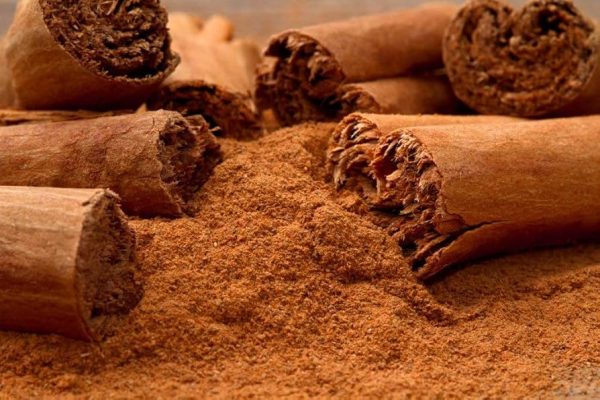
Vietnam, in particular, is recognized as a leading cassia producer and exporter, offering consistent quality and competitive pricing.
Cassia is more than just a spice—it is a high-value botanical ingredient with extensive applications in the food, beverage, herbal, pharmaceutical, and cosmetic industries. Its powerful flavor, health benefits, and functional properties make it a strategic choice for manufacturers and global buyers.
As demand for natural, functional, and plant-based ingredients continues to rise, cassia remains a key raw material shaping the future of the food and herbal industry.
Cassia uses, Cassia benefits, Cassia in food industry, Cassia herbal applications, Cassia bark supplier, Cassia cinnamon, Cassia extract, Cassia essential oil