In today’s highly competitive food industry, manufacturers are constantly searching for ingredients that improve texture, stability, and shelf life while meeting consumer demand for natural and gluten-free products. One ingredient that has become increasingly important in modern food manufacturing is tapioca starch. Extracted from the cassava root, tapioca starch offers excellent functional properties that make it widely used in a variety of food products worldwide.
From bakery goods and dairy products to sauces and processed foods, tapioca starch plays a crucial role in improving product quality and consistency.
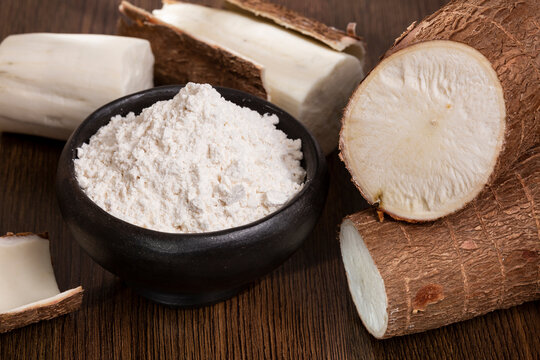
Tapioca starch is a fine white powder derived from the root of the cassava plant (Manihot esculenta). It is naturally gluten-free, neutral in flavor, and highly versatile, making it a preferred ingredient for many food manufacturers.
Compared with other starches such as corn or wheat starch, tapioca starch provides unique functional benefits including:
These properties allow manufacturers to use tapioca starch in a wide range of food formulations.
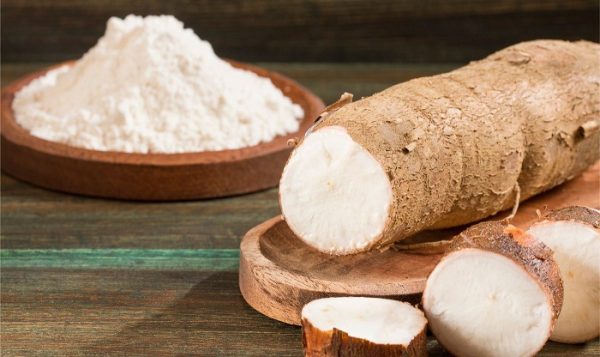
One of the most important functions of tapioca starch is its ability to act as a powerful thickener and stabilizer. It helps improve the viscosity and consistency of products such as soups, sauces, gravies, and pie fillings.
Because it creates a clear and smooth gel, tapioca starch is particularly valued in foods where appearance and texture are critical.
With the increasing demand for gluten-free foods, tapioca starch has become a key ingredient in modern food manufacturing.
It is commonly used in:
Tapioca starch helps replicate the elasticity and structure normally provided by gluten, improving the texture of gluten-free baked goods.
Texture is one of the most important factors influencing consumer satisfaction. Tapioca starch contributes to a soft, chewy, and pleasant mouthfeel in many processed foods.
It is widely used in products such as:
Its ability to retain moisture also helps prevent products from becoming dry during storage.
Many modern food products are frozen or refrigerated to extend shelf life. Tapioca starch performs exceptionally well under these conditions due to its high freeze-thaw stability.
This means that foods containing tapioca starch maintain their texture and consistency even after freezing and reheating, making it ideal for frozen meals and ready-to-eat products.
Consumers today prefer products made with simple and recognizable ingredients. Tapioca starch fits perfectly into the clean-label trend because it is naturally derived and minimally processed.
Food manufacturers often choose tapioca starch to replace synthetic additives or modified starches while maintaining product performance.
Tapioca starch is used across many sectors of the food industry, including:
Its versatility makes it an indispensable ingredient for food manufacturers worldwide.
As consumer preferences shift toward gluten-free, natural, and high-quality foods, tapioca starch continues to gain importance in modern food manufacturing. Its excellent thickening ability, texture enhancement, freeze-thaw stability, and clean-label appeal make it a valuable ingredient for a wide range of food applications.
For manufacturers looking to improve product quality while meeting market demands, tapioca starch remains an essential ingredient in today’s evolving food industry.