Copra cake is a widely used agricultural by-product in the global animal feed industry. Known for its affordability, nutritional value, and steady supply, copra cake has become an essential ingredient for feed manufacturers seeking cost-effective protein and energy sources. This guide explains what copra cake is, how it is produced, its nutritional profile, and why it is valuable in animal feed formulations.
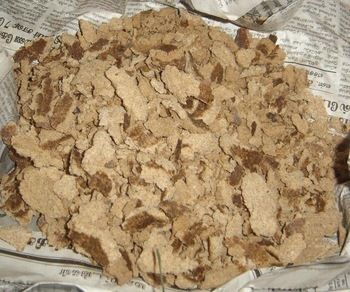
Copra cake, also known as copra meal or coconut oil cake, is a valuable by-product of the coconut oil extraction process. Widely used in the animal feed industry, copra cake offers a cost-effective source of protein, fiber, and energy for livestock.
This complete guide explains what copra cake is, its nutritional value, types, uses in animal feed, and why feed manufacturers around the world rely on it.

Copra cake, also called copra meal or coconut oil cake, is the solid residue obtained after extracting oil from dried coconut kernels (copra). Once the oil is pressed or solvent-extracted, the remaining material is processed into cake or meal form, making it suitable for livestock feed.
Copra cake is primarily produced in coconut-growing countries such as Vietnam, Indonesia, India, the Philippines, and Sri Lanka, where coconut processing industries generate large volumes of this by-product.
The production of copra cake involves several key steps:
Harvesting mature coconuts
Drying the coconut meat to produce copra
Oil extraction using mechanical expellers or solvent methods
Grinding and cooling the remaining solid material
Packaging in bulk bags or sacks for feed use
The method of oil extraction significantly affects the final nutritional quality. Mechanically expelled copra cake typically contains higher residual oil, while solvent-extracted copra meal has lower fat content and longer shelf life.
Copra cake is valued for its balanced nutrient profile, particularly for ruminants.
Typical nutritional composition:
Crude protein: 18–22%
Crude fiber: 12–16%
Crude fat: 6–10% (expeller type)
Metabolizable energy: Moderate
Minerals: Rich in potassium and phosphorus
Although copra cake has lower protein levels compared to soybean meal, it provides excellent energy and fiber, making it ideal for ruminant diets when properly balanced.
Feed manufacturers commonly use copra cake in formulations for:
Cattle and buffalo feed
Dairy cow rations
Sheep and goat feed
Poultry and swine feed (limited inclusion due to fiber content)
In ruminant diets, copra cake improves rumen function and supports steady weight gain. For monogastric animals, inclusion levels must be controlled and combined with higher-protein ingredients.
Copra cake offers several benefits to feed manufacturers:
Cost-effective feed ingredient compared to imported protein meals
Consistent availability in coconut-producing regions
Natural and non-GMO
Good palatability for livestock
Sustainable by-product, supporting circular agriculture
These advantages make copra cake a strategic option for manufacturers aiming to optimize feed cost without sacrificing performance.
Proper storage is essential to maintain copra cake quality. Due to its residual oil content, copra cake can be prone to rancidity and mold growth if exposed to moisture.
Best practices include:
Storing in dry, ventilated warehouses
Avoiding direct sunlight
Monitoring moisture levels below 12%
Using within recommended shelf life
Quality feed-grade copra cake should be free from aflatoxins, foreign materials, and unpleasant odors.
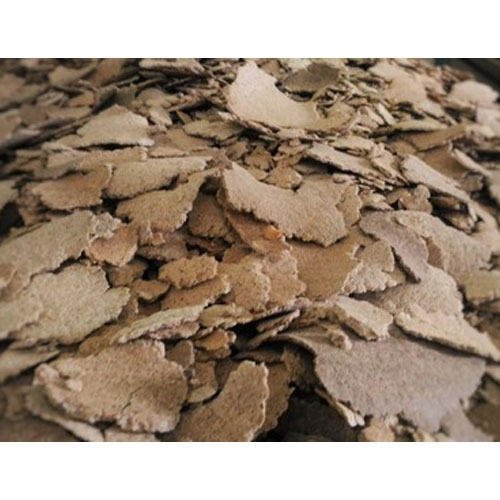
Copra cake is a versatile, economical, and sustainable feed ingredient widely used in the animal feed industry. While it may not replace high-protein meals entirely, it plays a crucial role in balanced feed formulations—especially for ruminants. For feed manufacturers seeking reliable, cost-efficient raw materials, copra cake remains a valuable choice in modern livestock nutrition.
copra cake, copra meal, coconut oil cake, copra cake animal feed, copra cake for cattle, feed grade copra cake, copra cake nutrition