Cashew nuts have become one of the most popular nuts not only in Vietnam but also worldwide. With their rich, delicious flavor and numerous health benefits, cashew nuts are increasingly used in a wide variety of dishes, from appetizers to desserts.
This article provides comprehensive information about cashew nuts, including their nutritional and medicinal components, health benefits, foods they are incompatible with, and who should or should not consume cashews.
Cashew nuts are highly nutritious and contain many valuable medicinal compounds. The main components include:
Cashew nuts are a high-quality protein source, containing approximately 18–25% protein. They provide essential amino acids such as arginine, glutamine, leucine, and lysine.
Protein and amino acids are essential for the growth and maintenance of cells, muscles, and body tissues.
Arginine plays a key role in regulating nitric oxide levels, improving blood circulation, and supporting cardiovascular health.
Glutamine helps strengthen immune function and supports cell regeneration.
Leucine and lysine promote protein synthesis and muscle development.
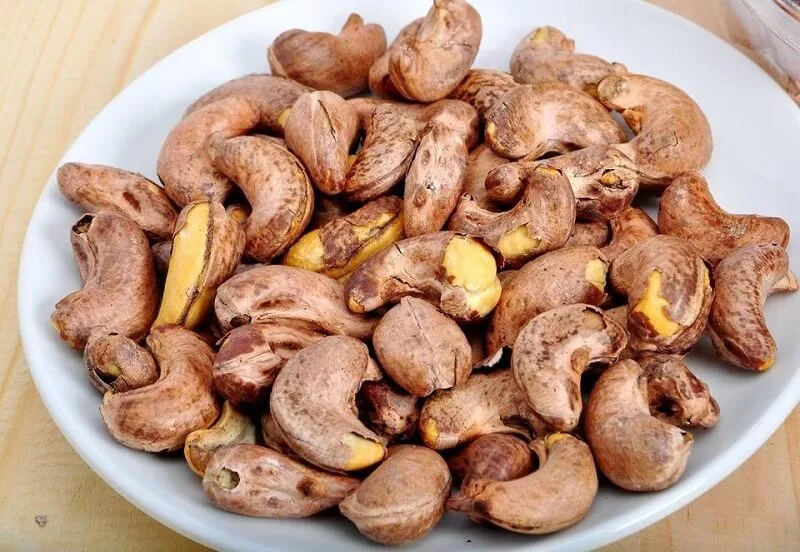
Cashew nuts contain about 44–57% fat, mainly unsaturated fats such as oleic acid, linoleic acid, and linolenic acid.
Oleic acid is a monounsaturated fat that helps reduce bad cholesterol (LDL) and increase good cholesterol (HDL).
Linoleic and linolenic acids are essential omega-6 and omega-3 fatty acids that the body cannot produce on its own.
These healthy fats contribute to improved heart health and reduce the risk of heart disease and stroke.
Cashew nuts are rich in essential vitamins and minerals, including vitamin E, vitamin K, magnesium, copper, zinc, iron, calcium, and phosphorus.
Vitamin E acts as an antioxidant, protecting cells from free radicals and slowing aging.
Vitamin K is essential for blood clotting and bone health.
Magnesium, copper, and zinc support metabolic processes, immune function, and brain activity.
Cashew nuts contain a significant amount of dietary fiber and antioxidants such as polyphenols and flavonoids.
Fiber improves digestion, supports gut health, and helps control body weight.
Antioxidants neutralize free radicals and protect cells from oxidative damage.
Thanks to this combination of nutrients, cashew nuts are considered a highly beneficial food for overall health. However, there are important considerations when consuming them.
The unsaturated fats in cashew nuts help lower LDL cholesterol and increase HDL cholesterol, preventing cholesterol buildup and protecting blood vessels.
Additionally, cashews contain arginine, which supports nitric oxide production. Nitric oxide helps dilate blood vessels, improving blood circulation and regulating blood pressure.

Vitamins, minerals, and antioxidants such as vitamin E, vitamin K, magnesium, copper, zinc, polyphenols, and flavonoids help strengthen immune function.
These nutrients enhance the activity of immune cells, improving the body’s ability to fight diseases.
Cashew nuts contain calcium, magnesium, and vitamin K, which promote calcium absorption, increase bone density, and help prevent osteoporosis.
Healthy fats and vitamin E also help protect joints and reduce inflammation.
Cashews provide omega-3 and omega-6 fatty acids, which are essential for brain development and function.
These fats improve concentration, learning ability, memory, and may help prevent neurodegenerative diseases such as Alzheimer’s. Minerals like magnesium, copper, and zinc also support nervous system activity.
Dietary fiber in cashew nuts:
Improves digestion
Prevents constipation
Creates a feeling of fullness, helping control weight and reduce overeating
Vitamin E and antioxidants such as polyphenols and flavonoids help neutralize free radicals, slow premature aging, and may reduce the risk of certain cancers.

Although nutritious, cashew nuts may cause issues when combined with certain foods or consumed under specific health conditions.
The high protein and fat content in both cashews and dairy products may cause indigestion and reduce nutrient absorption in some individuals.
Vegetables like spinach and beet greens may inhibit calcium and mineral absorption from cashews, causing bloating or discomfort.
Caffeine from coffee, tea, or soft drinks may increase nervousness or anxiety when consumed with cashews.
People sensitive or allergic to gluten may experience digestive issues when cashews are eaten with wheat-based foods.
Citrus fruits such as oranges, lemons, and grapefruits may interfere with digestion and reduce nutrient absorption.
Physically active individuals and athletes needing sustained energy
People at risk of osteoporosis
Individuals seeking to improve cardiovascular health
Cashews are high in fat, and excessive intake may cause digestive problems. Recommended intake: 5–10 nuts per day.
Despite being healthy fats, excessive consumption may still strain the cardiovascular system.
Cashew allergies may cause rashes, itching, swelling, breathing difficulty, or anaphylactic shock.
Cashews contain carbohydrates and fats that may affect blood sugar levels if consumed in excess.
Cashews contain oxalates, which may increase the risk of kidney stone formation.
High fat intake may increase the workload on the liver and worsen liver conditions if consumed excessively.
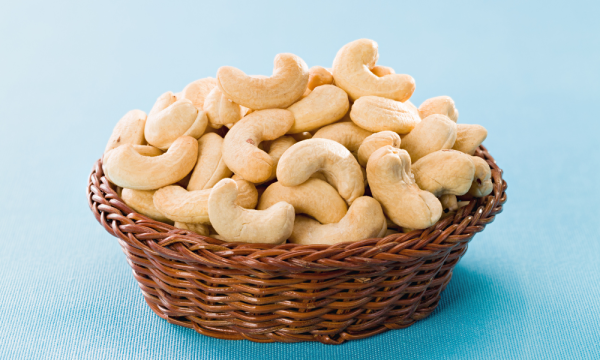
About 30 grams per day (10–15 nuts) is considered safe and beneficial. Excessive intake may lead to weight gain or digestive issues.
Try a small amount first. If symptoms such as itching, rash, or difficulty breathing occur, stop immediately and seek medical help.
Cashews can be eaten raw, roasted, or combined with fruits, salads, or bread to enhance nutritional value and variety.
Cashew nuts are not only a delicious snack but also a rich source of valuable nutrients that offer many health benefits. However, like any food, they should be consumed wisely and in moderation, especially by individuals with specific health conditions.
Understanding what cashew nuts are incompatible with, who should or should not eat them, the best time to consume them, possible side effects, and proper intake levels will help you enjoy their benefits safely and effectively.
What foods are incompatible with cashew nuts, best time to eat cashew nuts, cashew nut price per kg, side effects of cashew nuts, health benefits of cashew nuts