Vietnam is globally recognized as one of the world’s leading coffee producers and exporters. As the second-largest coffee exporter worldwide and the number one producer of Robusta coffee, Vietnam plays a crucial role in shaping the global coffee market. Vietnamese coffee beans are valued for their strong flavor profiles, competitive pricing, and consistent supply.
In this article, we explore Vietnamese coffee beans and introduce the 6 most popular types, highlighting their characteristics, growing regions, and uses in international markets.
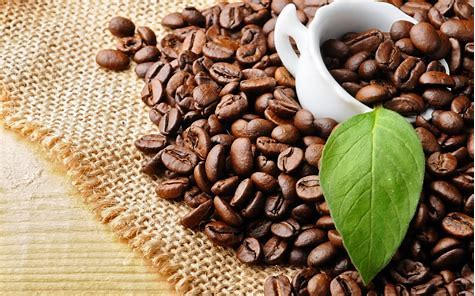
Vietnam’s coffee industry benefits from fertile basalt soil, a tropical monsoon climate, and high-altitude growing regions—especially in the Central Highlands. Key coffee-growing provinces include Dak Lak, Gia Lai, Lam Dong, Dak Nong, and Kon Tum.
Vietnamese coffee beans are exported to over 80 countries, serving markets in Europe, the United States, Asia, and the Middle East. The combination of modern processing methods and traditional farming experience has helped Vietnam maintain its competitive edge in global coffee exports.
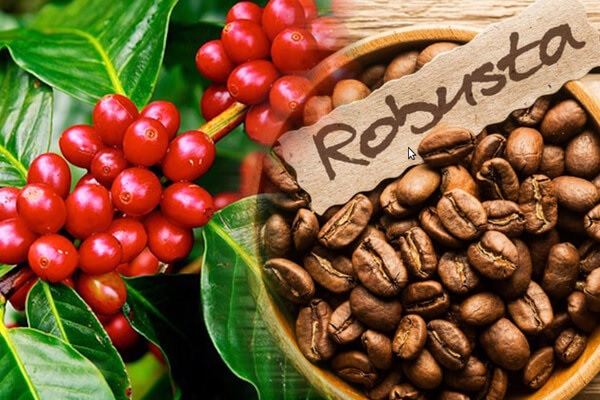
Robusta coffee beans dominate Vietnam’s coffee production, accounting for nearly 90% of total output.
Strong, bold flavor
High caffeine content (1.8–2.7%)
Slightly bitter with nutty and chocolate notes
Low acidity
Dak Lak
Gia Lai
Dak Nong
Robusta beans are widely used for instant coffee, espresso blends, and ready-to-drink beverages. Thanks to their strength and crema-enhancing properties, Vietnamese Robusta coffee beans are highly favored by global manufacturers.
Although produced in smaller quantities, Arabica coffee beans from Vietnam are increasingly popular due to rising global demand for specialty coffee.
Mild, smooth taste
Floral and fruity aroma
Bright acidity
Lower caffeine content
Lam Dong (Da Lat, Cau Dat)
Quang Tri
Son La
Vietnamese Arabica beans thrive at elevations above 1,000 meters. These beans are commonly used for single-origin coffee, specialty roasts, and premium café offerings.

Catimor coffee beans are a hybrid of Arabica varieties, widely cultivated in Vietnam due to their resilience and productivity.
Balanced acidity
Light bitterness
Clean aftertaste
Consistent quality
Lam Dong
Son La
Quang Tri
Catimor beans are popular among exporters because they offer stable supply, uniform quality, and competitive pricing, making them ideal for both commercial and specialty markets.
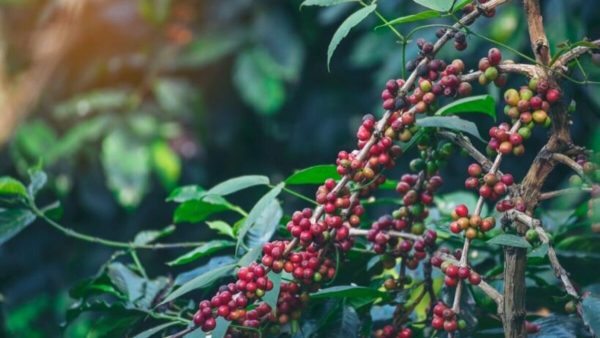
Culi coffee beans are unique because each coffee cherry contains only one bean instead of the usual two.
Strong and intense flavor
Rich body
Higher caffeine concentration
Smooth finish
Robusta Culi
Arabica Culi
Culi beans are often hand-selected and are considered a premium specialty product. They are particularly popular in niche markets and among coffee enthusiasts seeking a bold and distinctive taste.

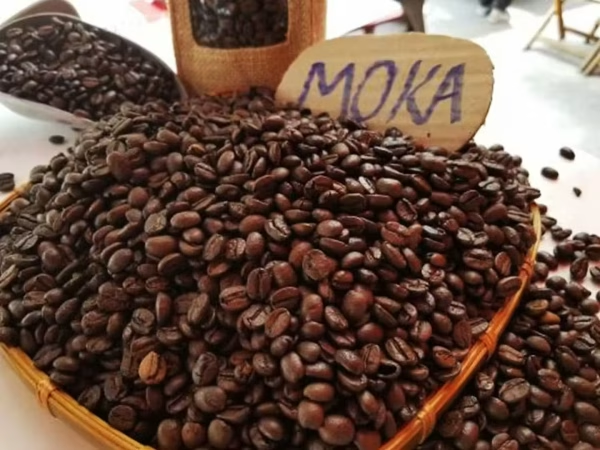
Moka coffee beans are one of the rarest and most expensive Arabica varieties grown in Vietnam.
Delicate aroma
Wine-like acidity
Chocolate and fruity notes
Smooth, elegant finish
Cau Dat (Da Lat, Lam Dong)
Due to low yields and demanding growing conditions, Vietnamese Moka coffee beans are mainly supplied to high-end cafés and specialty roasters.
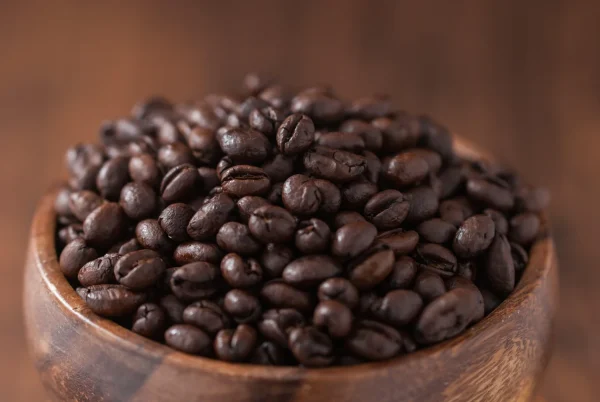
Peaberry coffee beans are similar to Culi beans and are highly valued for their concentrated flavor.
Bright acidity
Enhanced aroma
Rich and smooth body
Distinct sweetness
Peaberry beans represent only a small percentage of the total harvest, making them a premium export product. They are often roasted separately and marketed as specialty coffee beans.
Vietnamese coffee beans are favored by international buyers for several key reasons:
Consistent quality and supply
Competitive export pricing
Wide range of varieties
Modern processing and packaging
Compliance with international food safety standards
From mass-market instant coffee to specialty single-origin beans, Vietnam offers solutions for every segment of the global coffee industry.
Vietnamese coffee beans are diverse, high-quality, and globally competitive. The **6 most popular types—Robusta, Arabica, Catimor, Culi, Moka, and Peaberry—**each bring unique characteristics that cater to different consumer preferences and market demands.
Whether you are a coffee roaster, importer, distributor, or brand owner, sourcing Vietnamese coffee beans ensures access to reliable supply, rich flavor profiles, and excellent value. As global coffee consumption continues to grow, Vietnam remains a key origin worth investing in.