Vietnam is one of the most important players in the global coffee industry. As the second-largest coffee producer in the world, Vietnam not only dominates coffee exports but also has a fast-growing domestic coffee market. Understanding the Vietnam coffee market, including consumer behavior, key challenges, and future opportunities, is essential for businesses, investors, and coffee brands targeting Southeast Asia.
Vietnam is best known for its Robusta coffee, accounting for over 90% of national production. Coffee plays a vital role in the country’s economy, providing income for millions of farmers and contributing significantly to export revenues.
In recent years, the Vietnamese coffee market has shifted from being export-focused to developing a strong domestic consumption culture, driven by urbanization, rising incomes, and changing lifestyles.
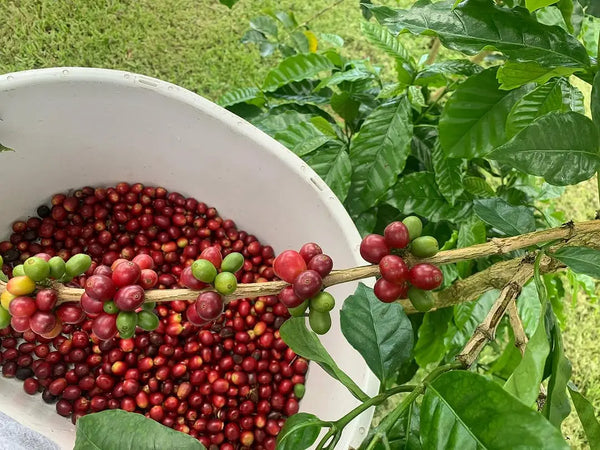
Traditional Vietnamese consumers prefer strong, bold Robusta coffee, often brewed using the iconic phin filter. Black coffee and coffee with condensed milk remain extremely popular, especially among middle-aged and older consumers.
Coffee shops are deeply integrated into daily life, serving as places for socializing, business meetings, and relaxation.
Younger generations, particularly Gen Z and Millennials, are reshaping the Vietnam coffee market. They are more open to:
Specialty coffee
Arabica and blended beans
Cold brew and ready-to-drink coffee
Branded café chains
These consumers value brand identity, café experience, sustainability, and convenience, fueling the rapid expansion of modern coffee chains and take-away models.
Instant coffee remains a major segment in Vietnam due to its affordability and convenience. Products such as 3-in-1 instant coffee are widely consumed by office workers, students, and rural households.
Vietnam is also a major instant coffee manufacturing hub, supplying both domestic and international markets.

Climate change poses a serious threat to coffee farming in Vietnam. Rising temperatures, irregular rainfall, and prolonged droughts affect coffee yields and bean quality, particularly in the Central Highlands.
Farmers face increasing pressure to adopt sustainable farming practices, which often require higher investment and technical support.
Although Vietnam leads in Robusta production, the country still exports a large portion of its coffee as raw green beans, resulting in lower value compared to processed or branded products.
Limited branding and product differentiation remain challenges for Vietnamese coffee exporters in premium global markets.
Global coffee prices fluctuate significantly, directly impacting farmer income. Small-scale farmers are especially vulnerable to market shocks, rising input costs, and unstable demand.
Ensuring fair pricing and long-term sustainability remains a critical issue for the Vietnam coffee industry.
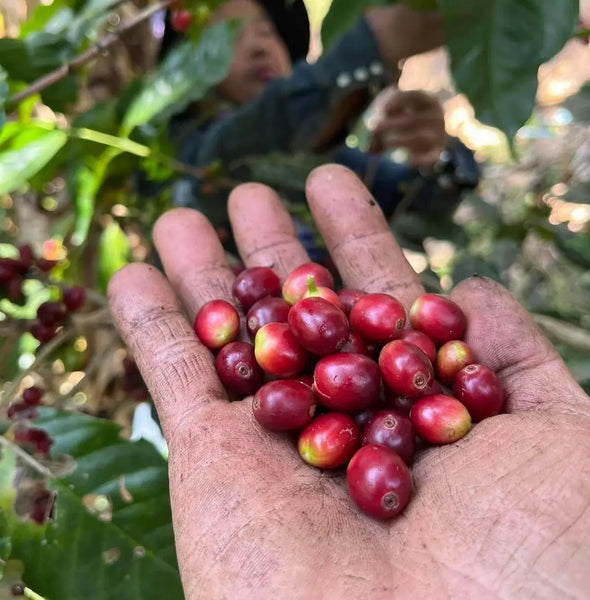
The domestic coffee market is becoming increasingly competitive, with:
Local coffee chains
International brands
Independent specialty cafés
This competition forces businesses to innovate in quality, customer experience, and digital marketing.
The specialty coffee segment is expanding rapidly, particularly in major cities such as Ho Chi Minh City, Hanoi, and Da Nang. Demand for high-quality Arabica, single-origin coffee, and traceable beans is rising.
This trend creates opportunities for farmers and brands to move up the value chain.
There is strong potential for growth in:
Instant coffee
Ready-to-drink (RTD) coffee
Coffee capsules
Freeze-dried coffee
Investing in processing technology allows Vietnamese companies to capture more value from their coffee exports.

Global and domestic consumers are increasingly concerned about sustainability. Certifications such as Organic, Rainforest Alliance, and Fair Trade enhance brand credibility and market access.
Vietnamese coffee producers who adopt sustainable practices can gain a competitive edge in international markets.
Vietnamese coffee exports continue to grow in key markets such as:
Europe
United States
Middle East
Asia-Pacific
Free trade agreements (EVFTA, CPTPP) provide favorable conditions for expanding processed coffee exports.
The Vietnam coffee market is expected to continue growing, driven by domestic consumption, product diversification, and rising global demand. The future lies in quality improvement, sustainability, branding, and innovation, rather than volume alone.
Businesses that understand consumer trends and invest in value-added products will be best positioned for long-term success.

The Vietnam coffee market presents a dynamic landscape shaped by evolving consumer preferences, environmental and structural challenges, and significant growth opportunities. By focusing on quality, sustainability, and innovation, Vietnam can strengthen its position not only as a leading coffee producer but also as a global coffee brand.
Vietnam coffee market, Vietnam coffee industry, Coffee market in Vietnam, Vietnamese coffee market