Vietnam has become one of the most important coffee-producing countries in the world. As the second-largest coffee exporter globally, Vietnam plays a vital role in supplying high-quality coffee beans to international markets. For global importers looking for a reliable sourcing partner, choosing a trusted Vietnam coffee beans supplier ensures consistent quality, competitive pricing, and stable supply.
This article explores why Vietnam is an ideal destination for coffee sourcing and what global importers should look for when choosing a supplier.

Vietnam’s coffee industry has experienced tremendous growth over the past decades. The country produces millions of tons of coffee beans annually, mainly grown in the Central Highlands region, including Dak Lak, Gia Lai, and Lam Dong provinces.
Several factors make Vietnam a preferred sourcing destination for coffee importers:
1. High Production Capacity
Vietnam produces large quantities of coffee every year, making it capable of fulfilling bulk export orders for international buyers. This large-scale production ensures stable supply chains for distributors, roasters, and coffee brands worldwide.
2. Competitive Pricing
Compared to many other coffee-producing countries, Vietnamese coffee beans are known for their competitive prices. Efficient farming techniques, favorable climate conditions, and established export infrastructure help keep production costs lower while maintaining quality.
3. Strong Robusta Coffee Production
Vietnam is the world’s largest producer of Robusta coffee beans, which are widely used in espresso blends, instant coffee production, and commercial coffee products. Robusta beans from Vietnam are known for their bold flavor, high caffeine content, and excellent crema when used in espresso.
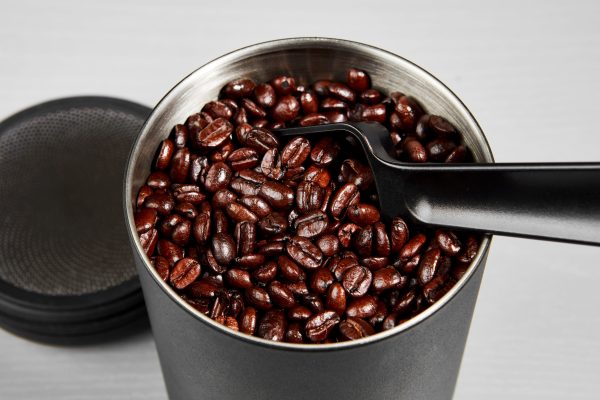
A professional Vietnam coffee beans supplier typically offers multiple varieties to meet the needs of different markets.
Robusta beans account for about 90% of Vietnam’s coffee production. They have a strong, rich taste and higher caffeine levels compared to Arabica beans. These beans are widely used in instant coffee, ready-to-drink beverages, and espresso blends.
Although produced in smaller quantities, Vietnamese Arabica beans are gaining popularity for their smoother flavor and pleasant acidity. Arabica beans are commonly grown in cooler regions such as Da Lat and parts of Lam Dong province.
Some suppliers also provide specialty coffee varieties, including washed, natural, and honey-processed beans. These products are increasingly popular among specialty roasters and premium coffee brands.
Partnering with an experienced coffee exporter in Vietnam provides several advantages for global importers.
Consistent Quality Control
Reliable suppliers implement strict quality control processes, including sorting, grading, and moisture inspection. This ensures that exported coffee meets international standards required by markets in Europe, North America, and Asia.
Flexible Export Options
Professional exporters offer various packaging options such as jute bags, PP bags, or customized packaging for private label brands. They also support container shipments and bulk export logistics.
International Certifications
Many Vietnamese coffee suppliers hold international certifications such as ISO, HACCP, Rainforest Alliance, or UTZ. These certifications help importers meet regulatory and sustainability requirements in global markets.

When sourcing coffee beans from Vietnam, global importers should evaluate suppliers carefully to ensure long-term partnership success.
Key factors to consider include:
A trustworthy supplier will also provide samples, detailed product specifications, and responsive communication to build confidence with international buyers.
Vietnam has firmly established itself as a global powerhouse in the coffee industry. With its high production capacity, competitive pricing, and expanding quality standards, the country offers excellent opportunities for coffee importers around the world.
Choosing a reliable Vietnam coffee beans supplier allows global importers to secure consistent quality products, optimize supply costs, and build long-term partnerships in the thriving global coffee market.