Cassia refers to a variety of cinnamon derived primarily from the bark of trees belonging to the Cinnamomum cassia species. Often called Chinese cinnamon, cassia is widely used in cooking, traditional medicine, and health supplements due to its strong flavor and potent bioactive compounds.
In 2026, cassia continues to gain attention in the global wellness industry thanks to its affordability, accessibility, and scientifically supported health benefits.

Cassia is rich in beneficial plant compounds, including:
One of the most researched benefits of cassia is its ability to help regulate blood sugar levels. Studies suggest that cassia can improve insulin sensitivity, making it beneficial for people with type 2 diabetes or those at risk.
👉 In 2026, cassia extract is increasingly used in natural supplements aimed at managing glucose levels.
Cassia is loaded with antioxidants that help protect the body from free radicals. This reduces oxidative stress, which is linked to aging and chronic diseases.
Key benefits:

Regular consumption of cassia may help improve cardiovascular health by:
This makes cassia a natural option for maintaining a healthy heart in modern lifestyles.
Chronic inflammation is a root cause of many diseases. Cassia contains compounds that help reduce inflammation naturally, making it beneficial for:
Cassia has been used in traditional medicine for centuries to support digestion. It helps:
Drinking cassia tea after meals is a popular remedy in many cultures.
Cassia contains natural antimicrobial compounds that can help fight harmful bacteria and fungi. This makes it useful for:

In 2026, cassia is commonly included in weight management routines due to its ability to:
While not a miracle solution, cassia can complement a healthy diet and exercise plan.
Cassia can be easily incorporated into daily life:
👉 Recommended intake: 1–2 grams per day (moderation is key)
While cassia offers many benefits, it should be consumed carefully due to its coumarin content, which can be harmful in high doses.
Tips for safe use:
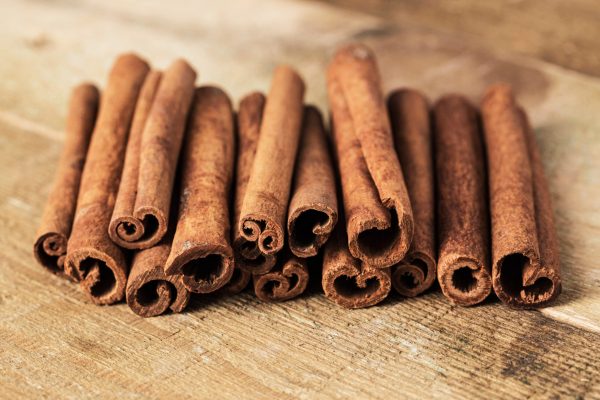
Many people confuse cassia with Ceylon cinnamon. Here’s the difference:
| Feature | Cassia | Ceylon Cinnamon |
|---|---|---|
| Flavor | Strong, spicy | Mild, sweet |
| Coumarin content | High | Low |
| Price | Affordable | More expensive |
| Health use | Common | Premium option |
Cassia is becoming a global wellness trend due to:
However, like any natural product, it should be used responsibly and in moderation.