Tapioca, extracted from the cassava root, is one of the most versatile starches used in the global food and beverage industry. Thanks to its neutral taste, gluten-free nature, excellent thickening power, and clean-label appeal, tapioca has become a preferred ingredient for manufacturers worldwide.
In this article, we explore the top 10 uses of tapioca in the food and beverage industry, backed by real-world applications and market demand.
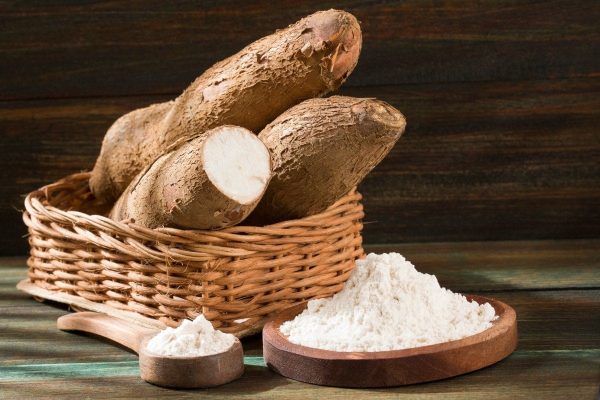
Tapioca starch is widely used as a natural thickener in:
Soups
Sauces
Gravies
Ready-to-eat meals
It provides a smooth, glossy texture without altering flavor and remains stable under freezing and reheating conditions, making it ideal for processed foods.
As gluten-free diets gain popularity, tapioca flour plays a crucial role in:
Gluten-free bread
Cakes and muffins
Cookies and pastries
It improves chewiness, elasticity, and moisture retention, often combined with rice or corn flour.
Tapioca pearls are essential in:
Bubble tea (boba tea)
Milk tea
Dessert drinks
They provide a distinct chewy texture that enhances consumer experience and drives beverage innovation.
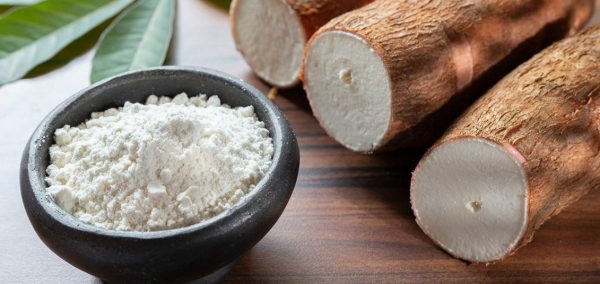
Tapioca is commonly used in:
Chips
Crackers
Extruded snacks
It contributes to lightness, crispiness, and expansion, while being allergen-free and cost-effective.
In dairy and plant-based alternatives, tapioca is used to:
Stabilize yogurt and pudding
Improve texture in ice cream
Replace modified starch in vegan cheese
It ensures a clean label and smooth mouthfeel.
Tapioca syrup is a natural sweetener used in:
Energy bars
Breakfast cereals
Beverages
It has a low glycemic index compared to refined sugar and offers a neutral sweetness.
Tapioca starch improves:
Noodle elasticity
Cooking stability
Shelf life
It is widely used in instant noodles, frozen foods, and ready meals.

Due to its easy digestibility and allergen-free nature, tapioca is used in:
Baby cereals
Infant snacks
Weaning foods
It provides carbohydrates without causing digestive discomfort.
Tapioca starch helps:
Improve binding in sausages
Retain moisture in processed meat
Enhance texture in seafood products
It reduces cooking loss and improves product yield.
With rising demand for clean-label foods, tapioca is favored because it is:
Non-GMO
Gluten-free
Plant-based
It replaces chemically modified starches in organic and natural food formulations.
The growing demand for gluten-free, vegan, and clean-label products has positioned tapioca as a strategic ingredient for food manufacturers. Its functional versatility, cost efficiency, and consumer acceptance make it indispensable across multiple categories.
From thickening sauces to creating iconic bubble tea pearls, tapioca plays a vital role in modern food innovation. Understanding the top 10 uses of tapioca in the food and beverage industry helps manufacturers, exporters, and buyers unlock new product opportunities and stay competitive in global markets.
If you are sourcing high-quality tapioca starch, flour, or pearls for food production, tapioca remains one of the most reliable and future-proof ingredients available.
tapioca starch uses, tapioca flour applications, tapioca pearls uses, tapioca ingredients for food, tapioca applications in beverages, tapioca thickening agent, tapioca starch for food processing