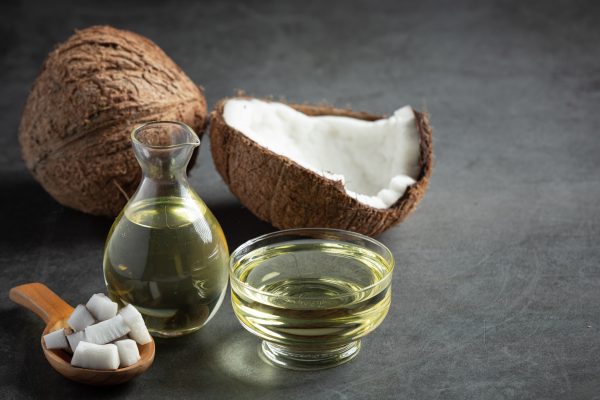
Coconut oil has become one of the most popular natural oils worldwide. Extracted from the meat of mature coconuts harvested from the coconut palm, Cocos nucifera, this oil is widely used in cooking, skincare, and traditional medicine.
But what does science actually say? Below are the top 10 health benefits of coconut oil backed by research.

Coconut oil is unique because it contains high levels of medium-chain triglycerides (MCTs), especially lauric acid. Unlike long-chain fats, MCTs are quickly absorbed and converted into energy, making coconut oil a fast fuel source for the body and brain.
Studies suggest MCTs may help increase energy expenditure and support metabolic health.
Although coconut oil is high in saturated fat, research shows it can increase HDL (good) cholesterol levels. Higher HDL levels are associated with improved cardiovascular markers.
Moderate consumption of virgin coconut oil may help improve cholesterol ratios when part of a balanced diet.
Because MCTs are metabolized differently than other fats, they may:
Increase feelings of fullness
Boost calorie burning
Support fat loss when combined with a healthy lifestyle
Some clinical studies suggest MCT-rich oils can assist with modest weight reduction.

Coconut oil contains lauric acid, which converts into monolaurin in the body. Monolaurin has been shown to help combat harmful bacteria, viruses, and fungi.
Research indicates coconut oil may help inhibit pathogens like Staphylococcus aureus and certain yeasts.
MCTs in coconut oil can produce ketones, an alternative energy source for the brain. Ketones may be beneficial in certain neurological conditions.
Some preliminary research has explored the potential role of MCTs in supporting patients with Alzheimer’s disease, though more studies are needed.
Coconut oil is widely used as a natural moisturizer. Scientific studies suggest it may:
Improve skin hydration
Reduce symptoms of eczema
Support skin barrier function
Topical application can also provide mild anti-inflammatory effects.
Research shows coconut oil penetrates the hair shaft better than many other oils. It can:
Reduce protein loss
Prevent hair damage
Improve scalp condition
This makes it popular in natural hair care products.
Animal and small human studies suggest MCTs may improve insulin sensitivity and support blood sugar control.
While coconut oil is not a treatment for diabetes, moderate use within a balanced diet may contribute to metabolic health.
Oil pulling with coconut oil is an ancient practice believed to reduce harmful oral bacteria. Some studies show it may reduce plaque and improve gum health.
Regular oil pulling may help lower levels of cavity-causing bacteria in the mouth.
Coconut oil has a relatively high smoke point and excellent oxidative stability. This makes it suitable for:
Stir-frying
Baking
Light sautéing
Its stability reduces the formation of harmful compounds during cooking compared to some refined vegetable oils.

For maximum health benefits, choose:
Virgin or extra virgin coconut oil
Cold-pressed and unrefined
Organic and non-GMO certified
Clear labeling and proper packaging
High-quality coconut oil retains more natural antioxidants and beneficial compounds.
The answer depends on moderation. Coconut oil is calorie-dense and high in saturated fat, so it should be consumed as part of a balanced diet rich in fruits, vegetables, whole grains, and lean proteins.
When used properly, coconut oil can be a valuable functional food with scientifically supported benefits.
Coconut oil is more than just a trendy superfood. Backed by growing scientific evidence, its MCT content, antimicrobial properties, and potential metabolic benefits make it a versatile addition to both diet and skincare routines.
If you’re looking for a natural oil with multiple health advantages, coconut oil is certainly worth considering.
coconut oil health benefits, virgin coconut oil benefits, MCT oil benefits, coconut oil for heart health, coconut oil for skin, coconut oil for hair, scientific benefits of coconut oil, organic coconut oil