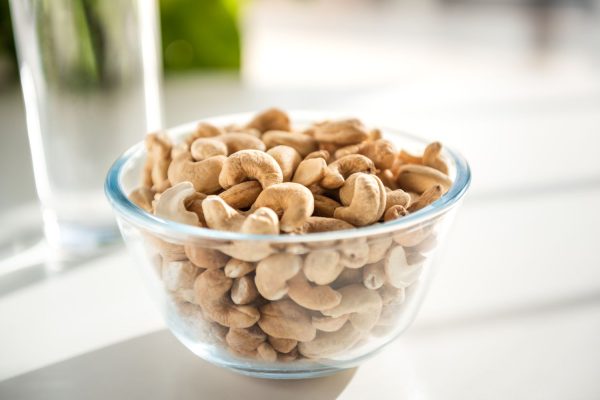
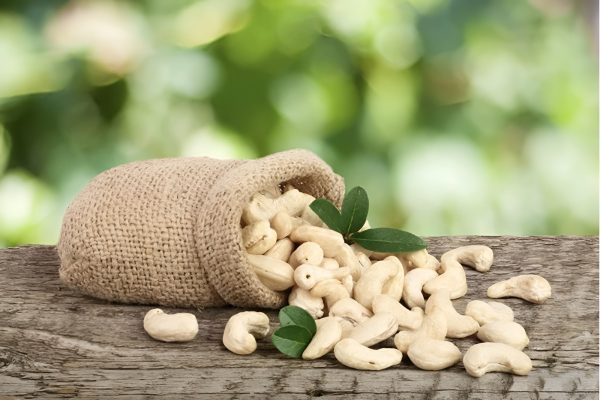
Cashew nuts are more than just a delicious snack. These kidney-shaped nuts are packed with essential nutrients, antioxidants, and healthy fats that support overall wellness. Backed by scientific research, cashew nuts offer a wide range of health benefits—from heart health to improved brain function.
In this article, we explore the top 10 health benefits of cashew nuts backed by science and why you should consider adding them to your daily diet.

Cashew nuts are a nutrient-dense food containing:
Healthy monounsaturated fats
High-quality plant protein
Vitamins B1, B6, E, and K
Minerals such as magnesium, zinc, iron, phosphorus, and copper
Just one serving of cashews provides significant nutritional value, supporting energy production and cellular health.
SEO keyword: health benefits of cashew nuts
Scientific studies show that diets rich in nuts, including cashews, are associated with a reduced risk of heart disease. Cashew nuts help:
Lower LDL (bad) cholesterol
Increase HDL (good) cholesterol
Reduce blood pressure
Their healthy fats and magnesium content contribute to improved cardiovascular function.
Despite being slightly higher in carbohydrates than other nuts, cashews have a low glycemic index. Research suggests cashew consumption may improve insulin sensitivity and help regulate blood sugar levels, making them suitable for people with diabetes when eaten in moderation.
Cashew nuts are an excellent source of:
Magnesium
Phosphorus
Copper
Copper plays a critical role in collagen synthesis, while magnesium helps maintain bone density. Together, these minerals support long-term skeletal health.
Cashews contain essential fatty acids, magnesium, and vitamin B6—all vital for brain health. Scientific evidence links these nutrients to improved cognitive function, memory, and nerve transmission.
Regular intake may help reduce the risk of neurological disorders.
Zinc and antioxidants found in cashew nuts help strengthen the immune system. Zinc supports immune cell development, while antioxidants protect the body from oxidative stress and inflammation.
Studies suggest that nut consumption is associated with healthier body weight. Cashew nuts help with weight management by:
Increasing satiety
Reducing hunger cravings
Providing sustained energy
Their protein and fiber content promote fullness, reducing overeating.
Cashew nuts contain dietary fiber that supports healthy digestion. Fiber helps maintain regular bowel movements, supports gut bacteria, and reduces digestive discomfort.
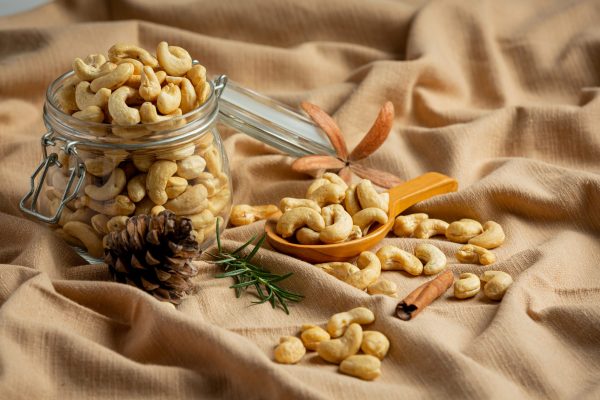
Cashews are rich in copper and antioxidants, which are essential for:
Collagen production
Skin elasticity
Hair pigmentation and strength
Scientific research links copper deficiency to premature aging and hair thinning, making cashews a valuable dietary addition.
Cashew nuts contain polyphenols and antioxidants that help combat inflammation. Chronic inflammation is linked to diseases such as arthritis, heart disease, and diabetes. Including cashews in a balanced diet may help lower inflammation markers.

Eat raw or lightly roasted cashews as a snack
Add to salads, stir-fries, or oatmeal
Blend into cashew butter or dairy-free milk
Use in sauces, desserts, and plant-based recipes
Health benefits of cashew nuts, Benefits of eating cashew nuts, Cashew nuts nutrition, Uses of cashew nuts, Cashew nuts benefits, Cashew nuts calories, Cashew nuts protein, Cashew nuts vitamins and minerals