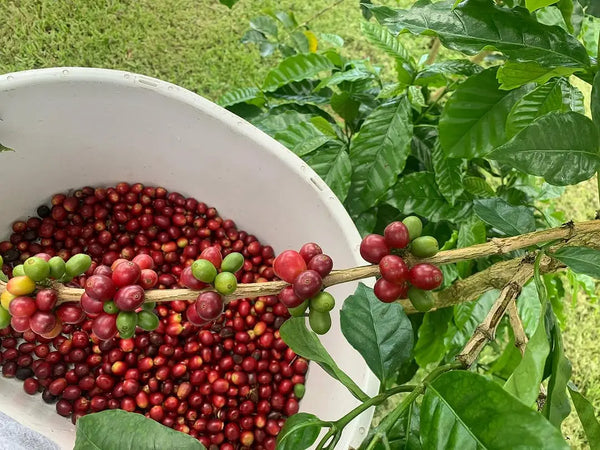
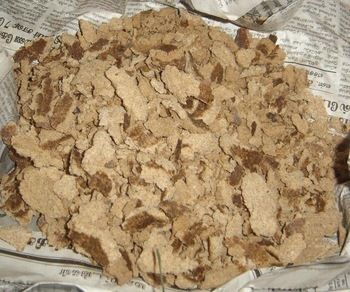
Each country produces different coffee bean varieties, uses unique farming practices, and applies specific harvesting and processing methods to grow coffee. Brazil leads global coffee production.
Most coffee grows in the “Coffee Belt,” a region near the equator between 25°N and 30°S. Most European countries don’t produce coffee.
The table lists the top 20 coffee-producing countries, their growing regions, and their percentage of global coffee production.
| Country | Coffee-Growing Regions | Percentage of World Production |
|---|---|---|
| Brazil | Minas Gerais, Espírito Santo, São Paulo, Bahia, Paraná | 37.4% |
| Vietnam | Central Highlands (Dak Lak, Lam Dong, Gia Lai, Kon Tum) | 17.6% |
| Colombia | Antioquia, Huila, Tolima, Nariño, Cauca, Santander | 6.5% |
| Indonesia | Sumatra, Java, Sulawesi, Bali, Flores, Papua | 5.5% |
| Ethiopia | Sidamo, Yirgacheffe, Harrar, Limu, Jimma | 4.7% |
| Uganda | Bugisu, West Nile, Central Uganda | 3.9% |
| India | Karnataka, Kerala, Tamil Nadu, Andhra Pradesh | 3.3% |
| Honduras | Santa Bárbara, Copán, Lempira, Ocotepeque | 3.1% |
| Peru | Cajamarca, San Martin, Junín, Cusco, Puno | 2.4% |
| Mexico | Chiapas, Veracruz, Oaxaca, Puebla, Guerrero | 2.3% |
| Guatemala | Huehuetenango, Antigua, Atitlán, Cobán, Fraijanes Plateau | 1.9% |
| Nicaragua | Jinotega, Matagalpa, Nueva Segovia | 1.5% |
| China | Yunnan, Fujian, Hainan | 1.0% |
| Malaysia | Sabah, Sarawak | 0.8% |
| Costa Rica | Central Valley, Tarrazú, West Valley, Tres Ríos | 0.8% |
| Côte D’Ivoire | Western and Central Regions (Soubre, Man, Daloa) | 0.8% |
| Tanzania | Northern Highlands (Kilimanjaro, Arusha), Mbeya, Ruvuma | 0.8% |
| Papua New Guinea | Eastern Highlands, Western Highlands, Simbu, Morobe | 0.5% |
| Kenya | Mount Kenya Region (Nyeri, Kirinyaga, Embu, Murang’a) | 0.5% |
| Thailand | Northern Region (Chiang Mai, Chiang Rai) | 0.4% |
Brazil is the world’s largest coffee producer, responsible for about one-third of global production, according to the USDA Foreign Agricultural Service. In the 2024/2025 marketing year, Brazil is projected to produce 69.9 million 60-kilogram bags of coffee. The top coffee-producing regions in Brazil are Minas Gerais, São Paulo, and Paraná. Brazil primarily produces Arabica and Robusta coffee beans. The main coffee varietals grown in Brazil include Mundo Novo, Catuaí, Bourbon, and Typica.
In Brazil, common coffee farming practices include shaded cultivation with banana or leguminous trees and intercropping with crops like corn or beans. Harvesting occurs between May and September using methods like selective picking, which targets ripe cherries, and strip picking, which strips entire branches. The most common coffee processing methods are natural, where cherries are dried whole, and pulped natural, where part of the fruit is removed before drying. Brazil has been the largest coffee producer and exporter for over 150 years, solidifying its dominance in the global coffee market.
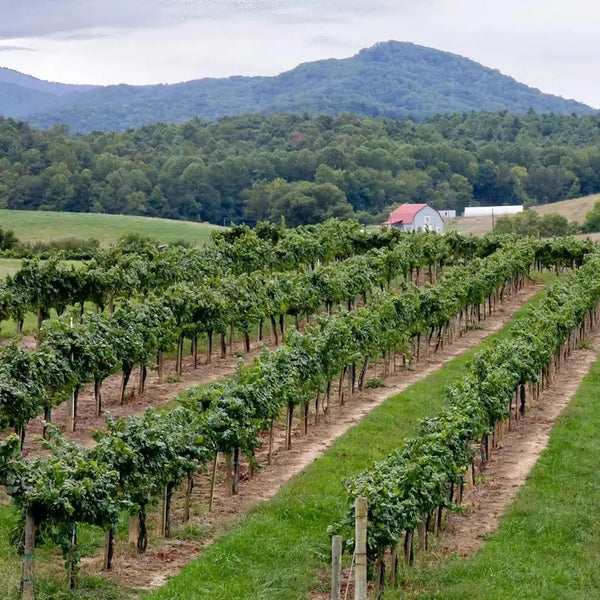
Vietnam is the world’s second-largest coffee producer and the leading producer of Robusta coffee, accounting for approximately 40% of global production, according to the International Coffee Organization. In the 2022/2023 crop year, Vietnam produced 29.75 million 60-kg bags of coffee, according to the USDA Foreign Agricultural Service. The Central Highlands region, including Dak Lak, Lam Dong, and Gia Lai provinces, dominates production, generating over 90% of Vietnam’s coffee output.
Robusta and Arabica are Vietnam’s primary coffee beans, with Robusta making up over 95% of total production. Key varietals include TR4, TR9, and SE1 for Robusta, and Catimor for Arabica, according to the Centre for the Promotion of Imports from Developing Countries (CBI). Full-sun cultivation is the most common farming practice in Vietnam, though some farms use shade trees. Ripe coffee cherries are selectively handpicked, a labor-intensive process. Vietnam’s coffee harvest season typically spans from October to December, with some regional variations. Natural (dry) processing, where cherries are dried whole in the sun, is the most common method, according to the CBI.
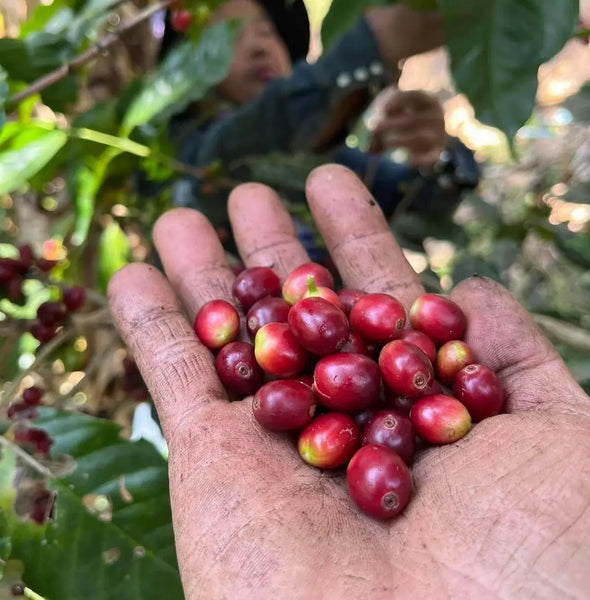
Colombia is globally recognized as a leading producer of high-quality Arabica coffee. In 2022, Colombia produced 11.1 million 60-kg bags of coffee, making it the third-largest coffee producer in the world, after Brazil and Vietnam (ICO, 2023). The majority of Colombian coffee is grown in the “Coffee Cultural Landscape,” a region in the Andes mountains known for its ideal coffee-growing conditions. The main types of coffee beans produced in Colombia are Arabica, with the most common varietals being Caturra, Castillo, Colombia, and Typica.
Colombian coffee farmers typically cultivate their crops on small family farms, using traditional methods such as hand-picking ripe cherries during the main harvest seasons, which run from October to December and April to June. The most common processing method is washed processing, which involves removing the fruit pulp before drying the beans. This method contributes to the clean and bright flavors characteristic of Colombian coffee beans.