White cashew kernels are highly valued in both domestic and international markets for their clean appearance, rich flavor, and premium quality. Vietnam, one of the world’s leading cashew exporters, is especially known for producing high-grade white cashew kernels that meet strict global standards.
But what is the secret behind perfectly white, delicious cashew kernels? The answer lies in a careful and precise processing method. In this article, we will reveal the key steps and factors that make white cashew kernels taste better and look more appealing.
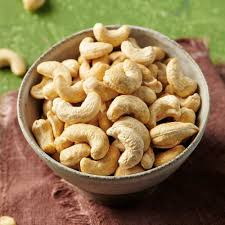
White cashew kernels are cashew nuts that have been:
Properly harvested at full maturity
Carefully processed to remove shells and skins
Dried and graded to maintain a natural ivory-white color
High-quality white cashew kernels are:
Whole, unbroken
Free from burns, spots, or discoloration
Crunchy, mildly sweet, and creamy in taste
👉 SEO keywords: white cashew kernels, premium cashew nuts, cashew kernel processing
The foundation of perfect white cashew kernels starts with raw material selection.
Key factors include:
Fully matured cashew nuts
Uniform size and weight
Low moisture content
Free from mold, insects, and impurities
Fresh, high-quality raw cashews help prevent darkening and bitterness during processing.
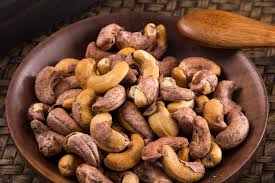
Steaming or roasting is a crucial step that affects both color and flavor.
Uses controlled steam pressure
Softens the shell without burning the kernel
Preserves the natural white color
Reduces the risk of scorched or yellow kernels
Steaming is widely used in modern processing plants to produce export-grade white cashew kernels.
After steaming, the cashews are shelled using:
Semi-automatic or manual shelling machines
Skilled labor to minimize breakage
Gentle shelling helps maintain:
Whole kernel shape
Smooth surface
Clean appearance
Broken or damaged kernels often lose value and visual quality.
Drying plays a vital role in achieving the perfect white color and crisp texture.
Best practices include:
Drying at controlled temperatures (usually 70–80°C)
Avoiding over-drying, which causes yellowing
Ensuring even moisture removal
Proper drying makes it easier to peel the thin skin while keeping kernels bright and fresh.
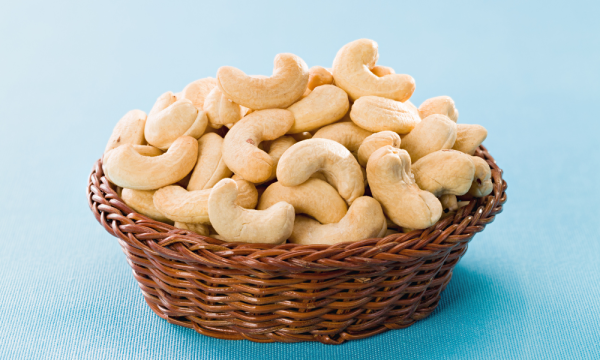
The thin reddish skin is removed after drying. This step determines how clean and white the kernels appear.
Secrets to perfect peeling:
Optimal moisture balance
Skilled manual peeling or gentle machines
Avoiding excessive friction
Well-peeled kernels have a smooth surface and uniform white color.
To meet international standards, cashew kernels are sorted and graded by:
Size (W180, W240, W320, W450, etc.)
Color
Wholeness
Defect level
Only kernels that meet strict criteria are classified as premium white cashew kernels.
👉 SEO keywords: W320 cashew kernels, cashew grading standards, export cashew nuts
Even perfectly processed kernels can lose quality without proper packaging.
Important packaging practices:
Vacuum sealing or nitrogen flushing
Food-grade, moisture-proof bags
Storage in cool, dry environments
This helps preserve:
Natural color
Crunchy texture
Fresh, nutty flavor
When processed correctly, white cashew kernels offer:
Natural sweetness
Creamy, buttery texture
No burnt or bitter aftertaste
Higher nutritional value
They are ideal for:
Direct consumption
Snacks and roasting
Bakery and confectionery
Vegan and plant-based products
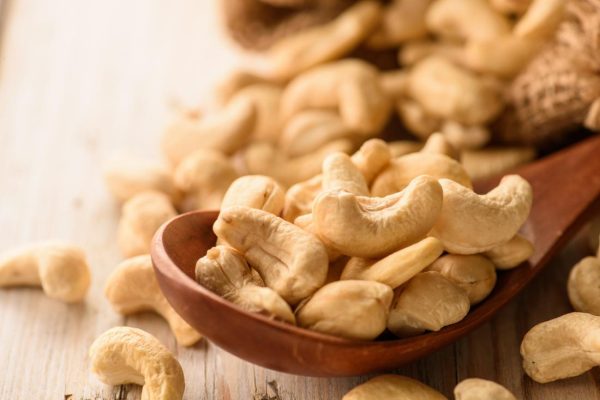
To maintain white color, processors must avoid:
Over-roasting or excessive heat
High humidity during storage
Poor raw material quality
Improper drying techniques
Avoiding these mistakes is one of the biggest secrets to producing top-grade white cashew kernels.
The secret to delicious, premium white cashew kernels lies in careful control at every processing stage — from raw nut selection to steaming, shelling, drying, peeling, grading, and packaging. Each step directly affects the color, taste, and market value of the final product.
With the right techniques and strict quality standards, white cashew kernels can achieve their signature clean appearance, rich flavor, and global appeal.
White cashew kernels, cashew kernel processing, premium cashew nuts, cashew nuts exporter