The landscape of coffee export is undergoing a profound transformation as we move into 2026. No longer dominated solely by high-volume commodity trading, the global market is pivoting sharply toward the “Specialty” segment.
The global coffee market is no longer satisfied with “just a caffeine kick.” As we approach 2026, the industry is witnessing a seismic shift from commercial grade to Specialty Coffee. Defined by a cupping score of 80 points or above by the Specialty Coffee Association (SCA), this segment is currently the fastest-growing niche in the export business.
For exporters and producers, understanding these trends is the key to moving from low-margin commodity trading to high-value, sustainable partnerships.

One of the most dominant trends in specialty coffee exports is the demand for unique flavor profiles created through controlled fermentation.
Anaerobic Fermentation: By fermenting coffee cherries in oxygen-free tanks, producers are creating “flavor bombs” with notes of tropical fruits and wine.
Carbonic Maceration: Borrowed from the wine industry, this technique is becoming a staple for high-end micro-lots exported to South Korea, Japan, and Northern Europe.
The SEO Impact: Buyers are now searching for specific processing methods rather than just origin. Exporters must highlight “Anaerobic Robusta” or “Carbonic Maceration Arabica” in their digital catalogs.
In 2026, transparency is not an option; it is a requirement. The specialty market thrives on the story behind the bean.
Direct Trade 2.0: Roasters in the US and EU are increasingly bypassing traditional middle-men to work directly with estates. This ensures that a higher percentage of the “Specialty Premium” reaches the farmer.
Blockchain Documentation: Export lots are now being tagged with QR codes that reveal everything from the altitude of the farm and the variety (e.g., Gesha, Bourbon, Fine Robusta) to the exact date of harvest.
EUDR Compliance: Even in the specialty niche, proving that coffee is “deforestation-free” via geolocation data is mandatory for entry into the European market.
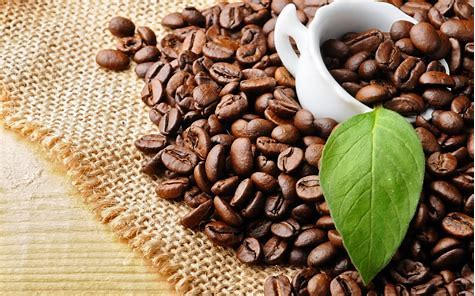
Perhaps the most surprising trend for 2026 is the elevation of Robusta. Traditionally seen as an inferior filler, Fine Robusta is gaining traction in the specialty world.
Climate Resilience: As climate change makes Arabica harder to farm, specialty-grade Robusta—processed with the same care as top-tier Arabica—is filling the gap.
New Markets: Countries like Vietnam and Uganda are leading the charge, exporting Fine Robusta that offers heavy body and chocolatey notes without the harsh bitterness of commercial grades.
In the specialty segment, “Green” is the new “Gold.” Exporting specialty coffee now involves showcasing environmental stewardship.
Regenerative Agriculture: Buyers are seeking coffee grown in polyculture systems that restore soil health and sequester carbon.
Carbon Neutral Shipping: Exporters who can provide data on reduced carbon footprints during logistics are winning contracts with “B-Corp” certified roasters in the West.
Eco-Friendly Packaging: The shift toward compostable valves and recyclable high-barrier liners (like Ecotact) for export is now a standard expectation.
While the US and Europe remain traditional strongholds, the biggest growth in specialty coffee imports is happening in Asia.
China & South Korea: These markets are leapfrogging instant coffee and going straight to high-end specialty pour-overs.
Origin-to-Origin Trade: We are seeing an increase in specialty exports between producing countries (e.g., Vietnam exporting specialty beans to sophisticated cafes in Thailand and Indonesia).
To succeed in specialty coffee exports, businesses must stop selling “beans” and start selling “quality data and stories.” The winners of 2026 will be those who invest in:
SCA-certified Q-Graders to ensure consistent quality.
Digital Marketing that showcases the farm’s unique terroir.
Strict post-harvest protocols to maintain the integrity of the flavor profile.
Specialty coffee is more than a beverage; it is an experience. As an exporter, your job is to ensure that experience remains perfect from the farm gate to the consumer’s cup.