Tapioca is a versatile starch-based product widely used in food, beverage, pharmaceutical, and industrial applications. Derived from cassava roots, tapioca is valued for its neutral taste, excellent thickening properties, and gluten-free nature.
This article explains the origin of tapioca, how it is processed, and its most common uses across industries.
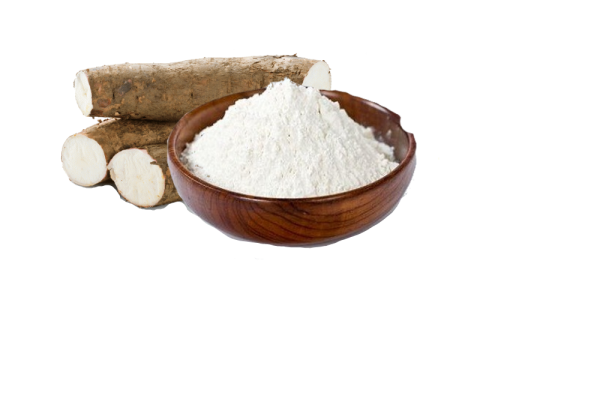
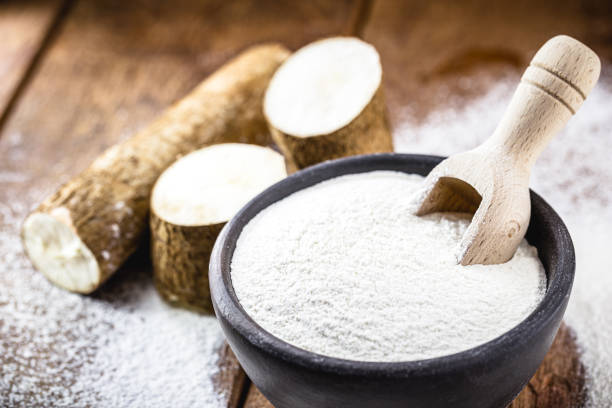
Tapioca is a starch extracted from the cassava root (Manihot esculenta), a tropical plant native to South America. Today, cassava is extensively cultivated in Vietnam, Thailand, Brazil, Nigeria, and Indonesia, making these countries major tapioca producers.
Unlike wheat or corn starch, tapioca is:
Naturally gluten-free
Neutral in flavor
Highly digestible
Suitable for clean-label products
Cassava originated in South America and was later spread to Africa and Asia by European traders in the 16th century. Due to its ability to grow in poor soil and dry climates, cassava quickly became a staple crop in tropical regions.
Today, leading tapioca-producing countries include:
Thailand – global exporter of tapioca starch and pearls
Vietnam – fast-growing supplier with modern processing plants
Indonesia & Cambodia – regional suppliers
Brazil & Nigeria – large domestic producers
The production of tapioca starch involves several controlled steps to ensure purity and quality:
Fresh cassava roots are harvested and processed quickly to prevent spoilage.
Roots are thoroughly cleaned and peeled to remove dirt and impurities.
Cassava roots are crushed to release starch from the fiber.
Water is added and filtered to separate starch milk from fiber residue.
Starch settles, is dried, and milled into fine white powder.
The finished tapioca starch is packed in 25kg or 50kg bags for domestic and export markets.

Tapioca is widely used in:
Sauces, soups, and gravies (thickener)
Noodles and vermicelli
Bakery products
Snacks and chips
Bubble tea pearls
Dairy and plant-based beverages
Benefits:
Improves texture and mouthfeel
Provides clear gel and stable viscosity
Enhances shelf life
Tapioca starch is used as:
Tablet binder and disintegrant
Capsule filler
Its purity and neutral properties make it ideal for pharmaceutical formulations.
Tapioca starch is also used in:
Paper manufacturing (surface sizing)
Textile sizing and finishing
Adhesives and glues
Biodegradable packaging
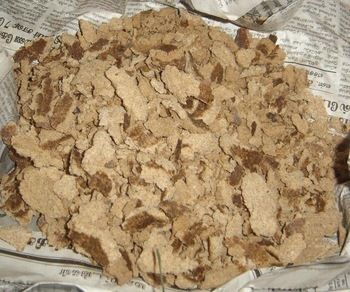
Cassava-based tapioca products are used as an energy-rich feed ingredient for livestock.
Key advantages of tapioca include:
Gluten-free and allergen-friendly
Cost-effective compared to corn starch
Versatile across multiple industries
Sustainable and plant-based
These benefits make tapioca a preferred choice for manufacturers and exporters worldwide.
Understanding tapioca’s origin, processing, and common uses helps businesses choose the right product for their application. Whether for food, pharmaceutical, or industrial use, tapioca starch offers reliability, performance, and global market demand.
If you are sourcing tapioca starch for export or manufacturing, always consider quality standards, certifications, and supplier experience.
tapioca explained, tapioca origin, tapioca processing, tapioca uses, tapioca starch applications, cassava starch