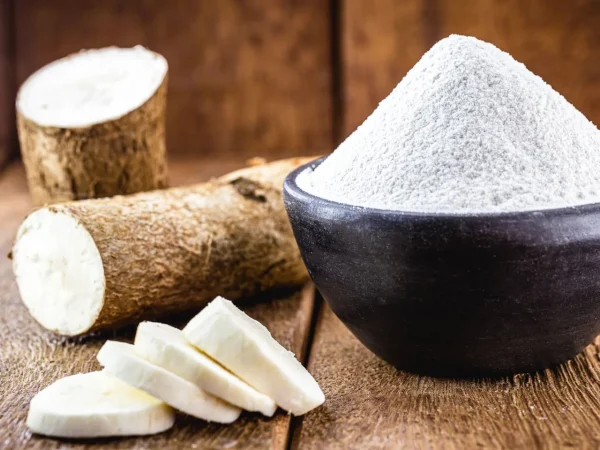
Tapioca is a versatile starch extracted from the roots of the cassava plant, scientifically known as Morinda citrifolia. Widely produced in tropical countries such as Vietnam, Thailand, and Brazil, tapioca has become an important raw material in many industries. Thanks to its excellent thickening, binding, and biodegradable properties, tapioca is used not only in food processing but also in textiles, paper, pharmaceuticals, and eco-friendly packaging.
As global demand for sustainable materials increases, tapioca starch is gaining popularity as a renewable and environmentally friendly resource.
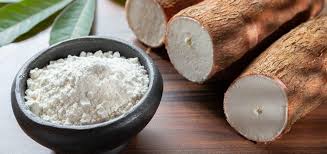
One of the most common industrial applications of tapioca is in the food sector. Tapioca starch is valued for its neutral taste, high viscosity, and excellent stability.
In food processing, tapioca is widely used for:
Because tapioca is naturally gluten-free, it is especially popular in products designed for people with gluten intolerance or celiac disease.
Additionally, tapioca starch improves texture and shelf life in many processed foods, making it an essential ingredient for large-scale food manufacturing.
Tapioca starch also plays a crucial role in textile production. In this industry, starch is used during the sizing process to strengthen yarn before weaving.
Key benefits of tapioca starch in textiles include:
Compared to synthetic chemicals, tapioca starch is biodegradable and safer for the environment, making it a preferred option for many eco-conscious textile manufacturers.

The paper industry is another major user of tapioca starch. It is commonly applied during both the wet-end and surface sizing processes to improve paper quality.
Tapioca starch helps:
Because it is cost-effective and renewable, tapioca starch has become a popular alternative to synthetic additives in paper production.
In pharmaceutical manufacturing, tapioca starch serves as an important excipient in tablet production.
It is used as:
Due to its safety, natural origin, and non-toxic characteristics, tapioca starch meets strict pharmaceutical standards.
In addition, tapioca derivatives are used in adhesives, biodegradable plastics, and fermentation industries.
With increasing environmental concerns, tapioca starch is now widely used in the development of biodegradable materials.
Manufacturers are using tapioca starch to produce:
These products can decompose naturally, helping reduce plastic pollution and support a circular economy.
Vietnam and other Southeast Asian countries are becoming major suppliers of tapioca starch for the global biodegradable materials market.
From food processing to eco-friendly packaging, the industrial applications of tapioca continue to expand across many sectors. Its natural origin, affordability, and environmentally friendly characteristics make tapioca starch an ideal material for modern industries.
As the world moves toward sustainable production and greener solutions, tapioca will play an increasingly important role in both traditional industries and innovative biodegradable technologies.
Tapioca industrial applications, Tapioca starch uses, Tapioca in food industry, Tapioca starch for paper and textile, Biodegradable products from tapioca