Cocoa beans are one of the most valuable agricultural commodities in the global food industry. As the primary raw material for chocolate and many health products, cocoa beans are increasingly in demand worldwide. From small tropical farms to international markets, cocoa plays an essential role in global trade and sustainable agriculture.
In this article, we explore the journey of cocoa beans from farm to global market, highlighting their health benefits and strong export potential.
Cocoa beans come from the fruit of the cocoa tree (Theobroma cacao), which thrives in tropical climates. These trees are widely cultivated in countries located near the equator, including regions in Africa, Latin America, and Southeast Asia.
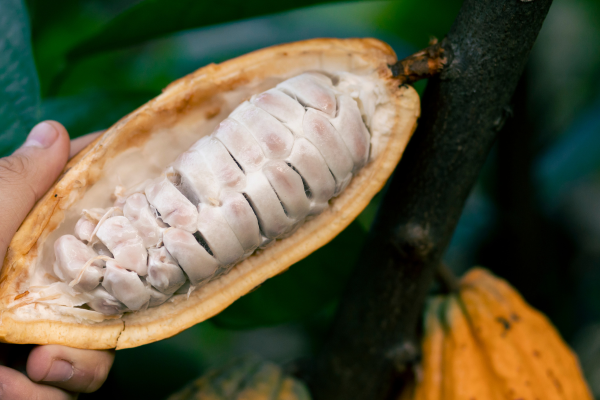
The beans are extracted from cocoa pods, fermented, dried, and processed into various cocoa products such as cocoa powder, cocoa butter, and chocolate. The quality of cocoa beans largely depends on farming practices, fermentation techniques, and drying processes.

Cocoa beans are widely recognized for their impressive nutritional profile. They are rich in natural compounds that support overall health.
Cocoa beans contain high levels of flavonoids and polyphenols, powerful antioxidants that help protect the body from oxidative stress. These compounds support heart health and may reduce the risk of chronic diseases.
Research suggests that cocoa consumption may help improve blood circulation and lower blood pressure. The flavonoids in cocoa can enhance vascular function and promote healthy blood flow.
Cocoa naturally contains compounds such as theobromine and phenylethylamine, which can stimulate the brain and enhance mood. This is one reason chocolate is often associated with feelings of happiness and relaxation.
Cocoa beans provide important minerals including magnesium, iron, potassium, and zinc. These nutrients are essential for maintaining energy levels, supporting muscle function, and strengthening the immune system.
The bioactive compounds found in cocoa may help reduce inflammation in the body, which contributes to better overall health.
The global cocoa market has grown significantly over the past decade due to rising chocolate consumption and increasing awareness of cocoa’s health benefits. Major cocoa-producing countries include Côte d’Ivoire, Ghana, Indonesia, Ecuador, and Brazil.
At the same time, emerging producers in Southeast Asia are gaining attention for their high-quality cocoa beans and sustainable farming practices.
International buyers are increasingly seeking cocoa beans that meet quality standards such as:
These factors greatly influence export value and market competitiveness.
Cocoa beans present significant export opportunities for agricultural producers and suppliers. Several factors contribute to the strong global demand for cocoa.
The chocolate industry continues to expand worldwide, especially in emerging markets across Asia and the Middle East. This growth drives consistent demand for high-quality cocoa beans.
Consumers today prefer natural and minimally processed ingredients. Cocoa beans are widely used in organic foods, functional beverages, cosmetics, and health supplements.
Beyond raw cocoa beans, exporters can increase profitability by offering processed cocoa products such as cocoa powder, cocoa nibs, cocoa butter, and dark chocolate.
Buyers increasingly prioritize sustainably sourced cocoa that supports farmers and protects the environment. Certifications and transparent supply chains can significantly increase export opportunities.
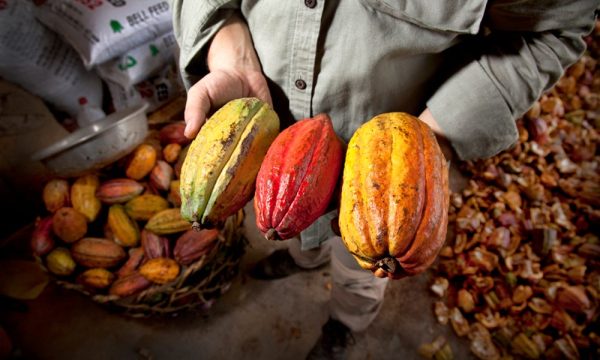
The journey of cocoa beans from farm to international markets involves several important steps: harvesting, fermentation, drying, grading, packaging, and export logistics.
Maintaining quality at each stage is essential to ensure that cocoa beans meet global standards and attract international buyers.
With increasing global demand and growing awareness of cocoa’s health benefits, cocoa beans continue to be a promising agricultural product for export markets.
Cocoa beans are more than just the foundation of chocolate. They are a nutritious, valuable commodity with strong global demand and significant export potential. From small farms in tropical regions to international food manufacturers, cocoa plays a vital role in the global agricultural economy.
As consumer interest in natural foods and premium chocolate continues to grow, the future of cocoa bean exports looks increasingly promising.