Cuttlefish bone, also known as cuttlebone, is a unique marine by-product derived from cuttlefish. For centuries, it has been valued for its lightweight structure, high calcium content, and versatile applications across multiple industries. Today, cuttlefish bone is widely used in animal nutrition, healthcare, jewelry making, metallurgy, and traditional medicine, making it a high-demand product in global markets.
This article explores the most common uses of cuttlefish bone, its benefits, and why it continues to be an important natural resource.
Cuttlefish bone is the internal shell of cuttlefish, composed mainly of calcium carbonate in a porous, lightweight structure. Unlike hard shells, cuttlefish bone is soft, chalky, and easy to process. After cleaning, drying, and sometimes grinding, it can be used in various forms such as whole bone, cut pieces, or powder.
Cuttlefish bone is commonly sourced from coastal regions in Asia, the Mediterranean, and the Middle East.
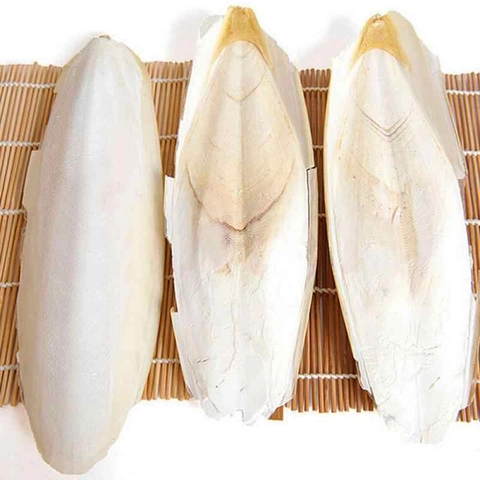
One of the most well-known uses of cuttlefish bone is in the pet industry, especially for birds and reptiles. Cuttlebone is a natural calcium supplement that supports healthy bone development and beak maintenance.
Common uses include:
Calcium source for parrots, budgies, and other pet birds
Shell strength and egg-laying support
Calcium supplementation for reptiles such as turtles and lizards
Its natural form and high bioavailability make cuttlefish bone a preferred alternative to synthetic calcium supplements.
Cuttlefish bone has been used in traditional medicine systems, particularly in Asia, for centuries. In powdered form, it is believed to help with digestive issues, stomach acidity, and wound healing.
In modern healthcare and nutraceutical industries, cuttlefish bone powder is studied for:
Calcium supplementation
Antacid formulations
Bone and joint health products
Due to its natural origin, it appeals to consumers seeking plant- and marine-based mineral supplements.

Cuttlefish bone plays a significant role in jewelry making and small-scale metal casting. Its soft and heat-resistant structure allows artisans to carve detailed molds easily.
In jewelry and crafts, cuttlefish bone is used for:
Mold-making for silver and gold casting
Creating intricate designs in handmade jewelry
Small-scale metal art production
This traditional technique remains popular among artisans due to its low cost and ease of use.
Thanks to its fine calcium carbonate composition, cuttlefish bone powder is used as a mild abrasive and polishing agent. It is applied in:
Toothpaste and dental care products
Metal and jewelry polishing compounds
Household and industrial cleaning products
Its gentle abrasive quality makes it suitable for delicate surfaces.
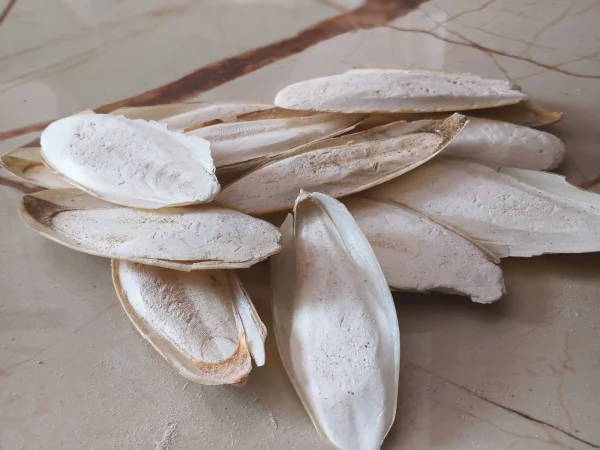
In agriculture, ground cuttlefish bone is used as a natural soil conditioner and calcium source. It helps improve soil pH balance and supports plant growth, especially for calcium-loving crops.
Farmers use cuttlefish bone powder to:
Enhance soil fertility
Improve root development
Support sustainable and organic farming practices
Cuttlefish bone has attracted attention in scientific research due to its porous structure and biocompatibility. It is studied for use in:
Bone graft materials
Drug delivery systems
Biomedical scaffolds
These high-value applications highlight the growing importance of cuttlefish bone in advanced industries.
Utilizing cuttlefish bone helps reduce seafood processing waste and supports circular economy models. Instead of discarding by-products, processors can convert them into valuable materials with diverse applications.
This not only reduces environmental impact but also creates additional income streams for coastal communities and seafood exporters.
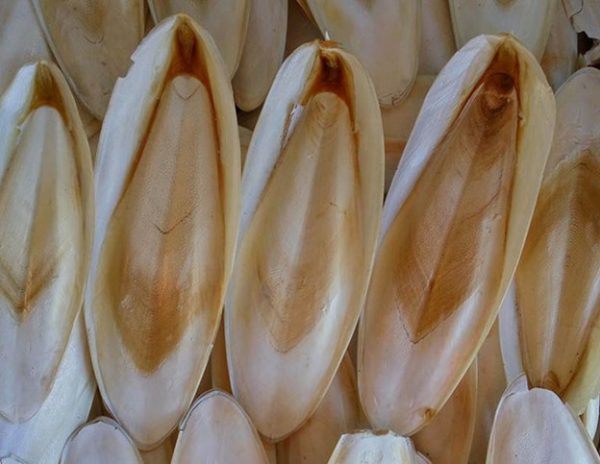
Cuttlefish bone is in steady demand across Europe, the Middle East, and Asia. Major import markets include Germany, Italy, Spain, Turkey, and the United States. Products are exported in various forms such as whole dried cuttlefish bone, crushed bone, and powder.
Exporters that meet international standards for cleanliness, moisture control, and packaging can gain strong competitiveness in the global market.
Cuttlefish bone uses span across animal nutrition, healthcare, jewelry making, agriculture, and advanced research industries. Its high calcium content, natural origin, and versatile functionality make it a valuable marine by-product with growing global demand.
As sustainability and natural materials become increasingly important, cuttlefish bone continues to stand out as a practical and eco-friendly resource for multiple applications.