The global coffee beans market in 2026 is evolving faster than ever, driven by sustainability demands, specialty coffee growth, climate change, and digital trade. Whether you are a coffee importer, roaster, exporter, or café owner, understanding these coffee beans market trends will help you stay competitive and profitable.
This article explores the most important coffee industry trends in 2026 that are shaping global supply, pricing, and consumer preferences.
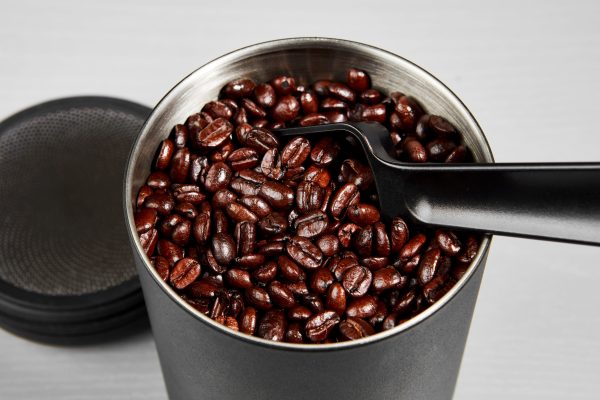
In 2026, the coffee beans market continues to expand due to:
Rising global coffee consumption
Growth of specialty and premium coffee
Strong demand from emerging markets in Asia and the Middle East
Increased focus on ethical and sustainable sourcing
Despite supply challenges, the global coffee market value is expected to maintain steady growth, with Arabica and Robusta remaining the dominant varieties.
Specialty coffee is no longer a niche market. In 2026:
Consumers prefer single-origin coffee beans
Transparent sourcing and flavor profiles matter
Direct trade between farmers and buyers is increasing
Buyers are willing to pay premium prices for high-quality, traceable coffee beans.

Sustainability is a core purchasing factor rather than a marketing bonus.
Major trends include:
Certified coffee beans (Fair Trade, Rainforest Alliance, Organic)
Reduced carbon footprint in coffee production
Eco-friendly packaging and logistics
Importers and exporters that fail to meet sustainability standards risk losing market access in Europe and North America.
Climate instability continues to affect:
Coffee bean yields
Quality consistency
Production regions
As a result:
Coffee prices remain volatile
Investment in climate-resistant coffee varieties increases
New coffee-growing regions are emerging

Robusta coffee beans are gaining popularity in 2026 due to:
Stronger caffeine content
Lower production cost
Improved post-harvest processing techniques
Many roasters are blending high-quality Robusta with Arabica to balance flavor and pricing.
Technology is transforming the coffee beans market:
Online B2B coffee trading platforms are growing
Blockchain is used for traceability
Digital contracts improve transparency and speed
This trend allows small and mid-size exporters to access international buyers more easily.
Global roasters prefer:
High-quality green coffee beans
Consistent moisture and grading
Flexible contract sizes
Countries with strong green coffee supply chains gain competitive advantages in 2026.

The biggest growth opportunities include:
Exporting sustainable and certified coffee beans
Investing in specialty coffee processing
Building long-term buyer partnerships
Developing private-label coffee brands
Businesses that adapt to consumer trends and supply chain transparency will lead the market.
Despite growth, challenges remain:
Price volatility
Rising production costs
Climate risks
Labor shortages
Strategic planning and diversified sourcing are critical for success.
The coffee beans market in 2026 is shaped by sustainability, quality, and digital innovation. Businesses that prioritize transparency, climate resilience, and specialty coffee will remain competitive in the global market.
Staying informed about coffee beans market trends is no longer optional — it is essential for long-term growth.
Coffee Beans Market Trends,Vietnam coffee beans supplier, Vietnam coffee exporter, Wholesale coffee beans Vietnam, Robusta coffee beans Vietnam, Arabica coffee beans Vietnam, Coffee beans for global markets