Coconut oil is one of the most versatile natural oils in the world, widely used in food, cosmetics, pharmaceuticals, and industrial applications. Thanks to its unique fatty acid profile and multiple processing methods, coconut oil has become a high-demand product in both domestic and international markets.
In this article, we explain what coconut oil is, its main types, and the most common uses to help businesses and consumers better understand this valuable natural ingredient.
Content
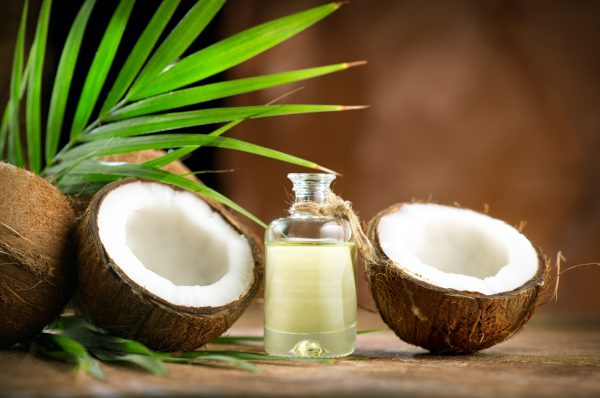
Coconut oil is a vegetable oil extracted from the meat (kernel) of mature coconuts harvested from the coconut palm (Cocos nucifera). It is rich in medium-chain fatty acids (MCFAs), especially lauric acid, which contributes to its stability, long shelf life, and wide range of applications.
At temperatures below 24°C (76°F), coconut oil is solid; above this temperature, it becomes liquid.
Different extraction and processing methods create different types of coconut oil, each suited for specific uses.
Virgin coconut oil is extracted from fresh coconut meat without chemical refining.
Key characteristics:
Natural coconut aroma and taste
High lauric acid content
Minimal processing
Rich in antioxidants
Common uses:
Cooking and baking
Dietary supplements
Skincare and haircare products
RBD stands for Refined, Bleached, and Deodorized. This type is produced from dried coconut meat (copra).
Key characteristics:
Neutral smell and flavor
High smoke point
Uniform color and texture
Common uses:
Commercial cooking and frying
Food manufacturing
Cosmetics and soap production
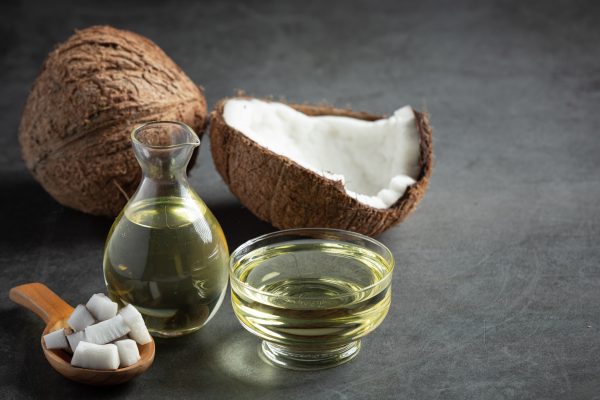
Cold-pressed coconut oil is extracted mechanically at low temperatures to preserve nutrients.
Key characteristics:
Minimal heat exposure
Retains natural compounds
Clean, mild coconut aroma
Common uses:
Health foods
Natural skincare products
Premium cosmetic formulations
Fractionated coconut oil is processed to remove long-chain fatty acids, leaving mainly medium-chain triglycerides (MCTs).
Key characteristics:
Liquid at room temperature
Odorless and colorless
Long shelf life
Common uses:
Massage oils
Carrier oil in cosmetics
Pharmaceutical applications
Coconut oil is widely used in:
Cooking and frying
Bakery and confectionery products
Dairy alternatives
Snack foods
Its oxidative stability makes it suitable for high-temperature processing.

In cosmetic formulations, coconut oil is valued for its:
Moisturizing properties
Skin barrier protection
Hair conditioning benefits
It is commonly found in soaps, lotions, shampoos, lip balms, and body oils.
Coconut oil, especially virgin and MCT oil, is used in:
Dietary supplements
Functional foods
Sports nutrition products
Coconut oil also plays a role in:
Soap and detergent manufacturing
Oleochemical production
Lubricants and bio-based materials

When selecting coconut oil, consider:
Intended application (food, cosmetic, industrial)
Required certifications (ISO, HACCP, FDA, Halal)
Flavor and aroma requirements
Shelf life and packaging
Choosing the correct type ensures better performance and cost efficiency.
Understanding coconut oil definitions, types, and uses helps businesses and consumers make informed decisions. Whether used in food processing, skincare, or industrial manufacturing, coconut oil remains a highly versatile and sustainable natural oil.
For bulk buyers and importers, sourcing from reputable producers ensures consistent quality and compliance with international standards.
coconut oil, coconut oil definition, types of coconut oil, coconut oil uses, virgin coconut oil, refined coconut oil, coconut oil for food and cosmetics