Cashew nuts are one of the most popular tree nuts worldwide, valued for their creamy taste, impressive nutrition profile, and versatile uses in food and industry. From boosting heart health to enhancing plant-based diets, cashew nuts offer a wide range of benefits that make them a staple in both households and global trade.
In this article, we explore cashew nuts nutrition facts, health benefits, and common uses, helping consumers and buyers understand why cashews are in such high demand.

Cashew nuts come from the cashew tree (Anacardium occidentale), native to Brazil but now widely cultivated in Vietnam, India, Africa, and Southeast Asia. The edible cashew seed grows outside the cashew apple and must be carefully processed to remove toxic shell oils.
Vietnam is currently one of the world’s leading cashew nut producers and exporters, known for high-quality kernels and modern processing standards.
Cashew nuts are nutrient-dense and provide a balanced combination of healthy fats, plant protein, vitamins, and minerals.
Calories: ~157 kcal
Protein: 5.2 g
Total Fat: 12.4 g
Carbohydrates: 8.6 g
Dietary Fiber: 0.9 g
Magnesium: 20% DV
Copper: 69% DV
Zinc: 15% DV
Iron: 11% DV
Cashew nuts are also rich in B vitamins, antioxidants, and plant-based compounds that support overall wellness.

Cashew nuts contain monounsaturated and polyunsaturated fats, which help lower bad cholesterol (LDL) and support cardiovascular health when consumed in moderation.
High levels of magnesium, phosphorus, and copper make cashew nuts beneficial for bone density, joint health, and muscle function.
Copper and healthy fats in cashews play an important role in brain development, nerve signaling, and cognitive performance.
Despite being calorie-dense, cashew nuts promote satiety due to their protein and healthy fat content, helping reduce overeating.
Cashew nuts provide zinc and antioxidants, which strengthen immunity and support faster wound healing.
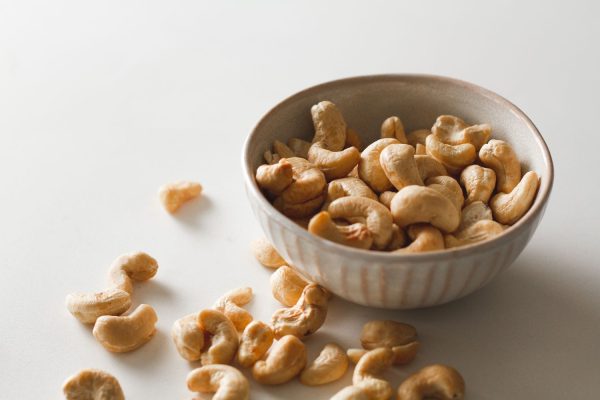
Cashew nuts are widely used in:
Roasted and flavored snack products
Bakery and confectionery items
Asian, vegan, and plant-based cuisines
Cashew butter, milk, and cheese alternatives
Cashew nuts are processed into:
Cashew paste and spreads
Cashew flour
Cashew oil for cooking and cosmetics
Cashews are a key ingredient in:
Dairy-free cheese
Creamy sauces
Vegan desserts and beverages
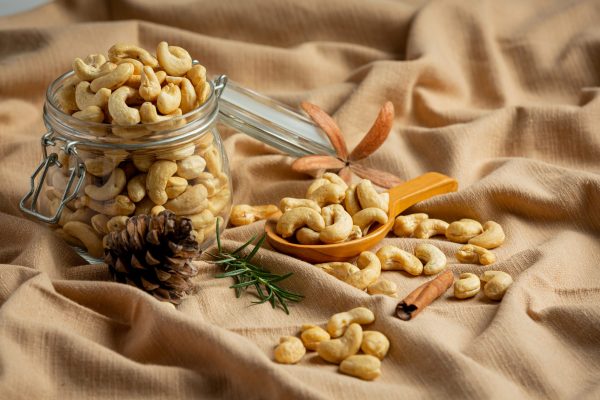
| Type | Benefits | Best Use |
|---|---|---|
| Raw Cashew Nuts | Higher nutrient retention | Healthy diets, processing |
| Roasted Cashew Nuts | Enhanced flavor & crunch | Snacks, retail sales |
Both forms offer excellent nutritional value depending on consumer preference.
Store in airtight containers
Keep in a cool, dry place
Refrigerate or freeze for long-term storage
Avoid exposure to moisture and direct sunlight
Proper storage helps preserve freshness and prevent rancidity.

High consumer demand worldwide
Long shelf life when properly stored
Versatile applications across industries
Strong export markets in the USA, EU, Middle East, and Asia
Vietnam cashew nuts are especially valued for consistent quality, competitive pricing, and international certifications.
Cashew nuts are a nutritious, delicious, and versatile superfood suitable for daily consumption and large-scale food production. With their rich nutrition profile, proven health benefits, and wide range of uses, cashew nuts continue to play a vital role in global diets and international markets.
Cashew nuts, Cashew nuts nutrition facts, Health benefits of cashew nuts, Uses of cashew nuts, Cashew nuts benefits, Cashew nuts calories, Cashew nuts protein, Cashew nuts vitamins and minerals