The global cashew nut industry has experienced remarkable growth over the past decade, driven by rising demand for healthy snacks and plant-based foods. Cashew nuts are widely traded across international markets in both raw (in-shell) and processed kernel forms. As global consumption increases, exporters are paying closer attention to the major importing countries and evolving market trends shaping the cashew trade. Understanding these factors is essential for businesses aiming to expand their presence in the global cashew export market.
Cashew nuts are primarily produced in tropical regions of Africa and Asia, while the largest consumer markets are located in North America, Europe, and parts of Asia. The international trade of cashews includes both raw cashew nuts used for processing and shelled kernels ready for consumption.
In recent years, processed cashew kernels have dominated global exports, accounting for approximately 62% of total export value, while raw cashew nuts represent around 38%. Processed kernels command significantly higher prices due to the additional processing, packaging, and quality standards required for international markets.
Countries such as Vietnam, India, and Ivory Coast play crucial roles in the global cashew supply chain. Vietnam, for example, remains the world’s largest exporter of cashew kernels and holds a significant share of global trade thanks to its advanced processing capacity and strong export network.
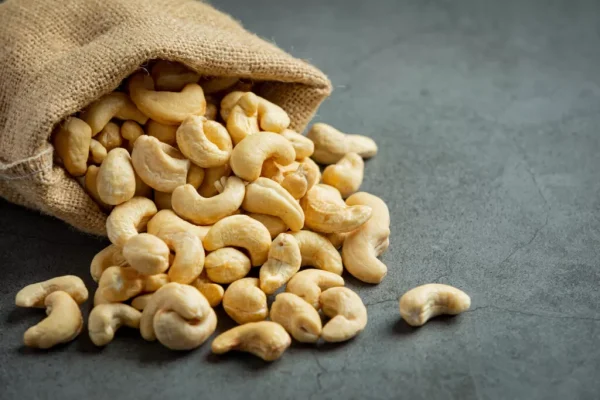
Several countries dominate global cashew imports, either for direct consumption or further processing.
The United States is the largest importer of cashew nuts worldwide. In 2024 alone, the country imported more than 179,000 tons of cashews valued at over USD 1 billion. Demand is fueled by the popularity of healthy snacks, plant-based diets, and the use of cashews in food processing industries.
Europe represents one of the largest regional markets for cashew imports. Countries such as Germany, the Netherlands, and Spain are major importers. The European market relies heavily on imported cashews for use in snack foods, bakery products, confectionery, and vegan food products.
The Middle East has become a rapidly growing market for cashew imports. Rising incomes and increased consumption of premium snack products have boosted demand in countries like the United Arab Emirates and Saudi Arabia. Over the past five years, cashew imports in the region have expanded significantly.

Japan is another key importing country known for its high-quality food standards. Japanese consumers prefer premium-grade cashews, often packaged as ready-to-eat snacks or used in processed food products.
China and several Southeast Asian countries are increasingly importing raw cashew nuts for processing and re-export. These countries serve as both manufacturing hubs and growing consumer markets.
Cashew nuts are rich in protein, healthy fats, vitamins, and minerals, making them a popular choice among health-conscious consumers. This global shift toward healthier eating habits continues to drive cashew consumption worldwide.
Demand for high-grade cashew kernels such as W180 and W240 has increased significantly in recent years. Premium products are particularly popular in developed markets, where consumers are willing to pay higher prices for superior quality.
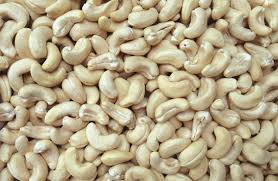
Countries like Vietnam and India import large quantities of raw cashew nuts from African producers and process them for export. Asia accounts for nearly 58% of global cashew imports due to its strong processing industry.
The Middle East is emerging as one of the fastest-growing cashew markets, driven by increasing disposable incomes, urbanization, and changing dietary habits.
International buyers are increasingly demanding certified products that meet strict food safety and sustainability standards. Exporters are therefore investing in improved processing technology, traceability systems, and environmentally friendly production practices.
The global cashew nuts export market continues to expand as consumer demand grows across multiple regions. The United States, Europe, the Middle East, Japan, and China remain key importing markets driving international trade. At the same time, trends such as premium product demand, healthy snacking, and the growth of processing hubs are reshaping the industry.
For exporters, understanding these importing markets and market trends is crucial for developing effective strategies, building long-term partnerships, and staying competitive in the rapidly evolving global cashew trade.