Tapioca is a popular food ingredient widely used in desserts, snacks, and beverages around the world. Derived from the cassava root, tapioca is especially well-known in the form of pearls, flour, and starch. But many people still wonder: Is tapioca healthy? This complete guide will help you understand tapioca nutrition, health benefits, potential downsides, and how to use it properly in your daily diet.
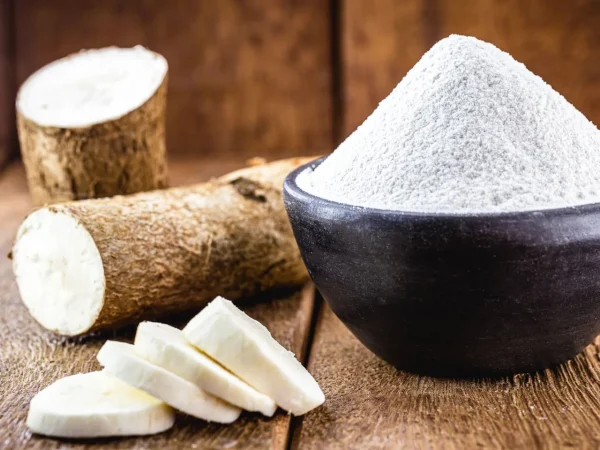
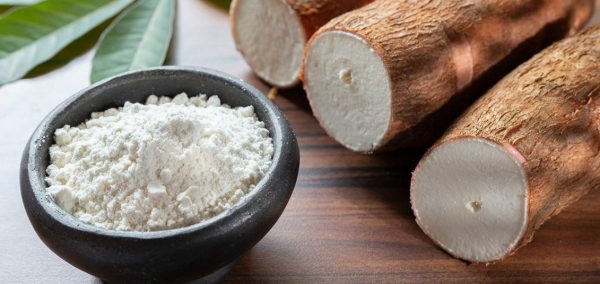
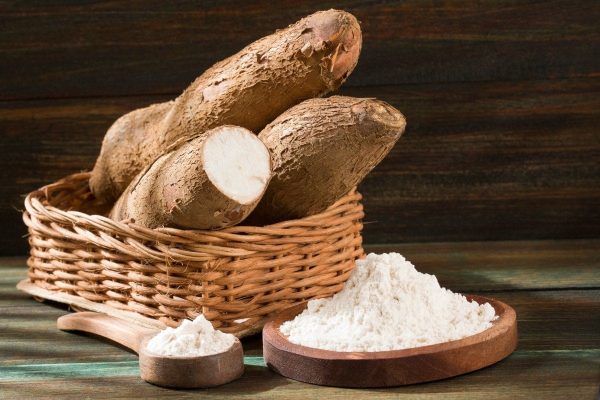
Tapioca is a starch extracted from the roots of the cassava plant (Manihot esculenta), which is native to South America but widely cultivated in Asia and Africa. Tapioca is naturally gluten-free, grain-free, and nut-free, making it a popular alternative for people with food sensitivities.
Tapioca is commonly found in:
Tapioca pearls (used in bubble tea)
Tapioca flour
Tapioca starch
Puddings and desserts
Thickening agents for soups and sauces
Tapioca is primarily a source of carbohydrates and contains minimal fat and protein. A 100-gram serving of cooked tapioca provides approximately:
Calories: 110–130 kcal
Carbohydrates: 28–34 g
Protein: 0.2 g
Fat: 0 g
Fiber: 0.9 g
Calcium
Iron (small amount)
Tapioca does not contain significant vitamins or minerals, but it is valued for its easy digestibility and quick energy supply.
One of the biggest benefits of tapioca is that it is naturally gluten-free, making it safe for people with celiac disease or gluten intolerance. It is also free from common allergens such as nuts and grains.
Tapioca is rich in carbohydrates, which makes it an excellent source of fast energy. This is especially beneficial for athletes, active individuals, and people recovering from illness who need easily digestible calories.
Because tapioca is low in fiber and protein, it is gentle on the digestive system. It is often recommended for people with digestive issues, stomach sensitivity, or during recovery from gastrointestinal illness.
For individuals who need to gain weight in a healthy way, tapioca can help increase calorie intake without causing digestive stress. When combined with healthy fats or proteins, it can be part of a balanced weight-gain diet.
Tapioca is 100% plant-based, making it suitable for vegans and vegetarians. It is commonly used as an egg substitute or thickening agent in vegan cooking and baking.
Tapioca has a high glycemic index, meaning it can raise blood sugar levels quickly. While this may be helpful for quick energy, people with diabetes or insulin resistance should consume tapioca in moderation and pair it with protein or fiber to slow glucose absorption.
While tapioca has several benefits, it also has limitations:
Low in protein, fiber, and micronutrients
High carbohydrate content
Not suitable as a main staple without nutritional balance
Additionally, cassava must be properly processed to remove naturally occurring compounds. Commercial tapioca products are generally safe when sourced from reputable suppliers.
Here are some healthy ways to enjoy tapioca:
Use tapioca flour for gluten-free baking
Add tapioca pearls to homemade desserts with low sugar
Combine tapioca with coconut milk, fruits, or nuts for better nutrition
Use tapioca starch as a natural thickener for soups and sauces
Moderation and balance are key when including tapioca in your diet.
Compared to wheat flour or cornstarch, tapioca:
Is gluten-free
Has a neutral taste
Creates a chewy texture
Is easier to digest
However, it contains fewer nutrients than whole grains, so it should complement—not replace—a varied diet.
So, is tapioca healthy? Tapioca can be a useful and beneficial food when eaten in moderation. It provides quick energy, supports gluten-free diets, and is easy to digest. While it is not nutrient-dense, pairing tapioca with protein, fiber, and healthy fats can make it part of a balanced and nutritious eating plan.
Tapioca, Tapioca starch, Tapioca flour, Tapioca pearls, Tapioca health benefits, Tapioca benefits, Tapioca powder